Inner: Three layers of sterile package, both are Tyvek + PETG heat-sealing package, covered by carton and heat shrinkable filmsExternal: Standard carton
Lead Time
7-21 days (To be negotiated)
Delivery
Door to door (DHL/TNT/UPS/FEDEX/EMS, etc.)
Hip replacement materials titanium, high quality total knee replacement and hip replacement symptoms can be offered for you, if you need, please contact us.
Inner: Three layers of sterile package, both are Tyvek + PETG heat-sealing package, covered by carton and heat shrinkable filmsExternal: Standard carton
Lead Time
7-21 days (To be negotiated)
Delivery
Door to door (DHL/TNT/UPS/FEDEX/EMS, etc.)
If you have any question on partial knee replacement, Bone Preservation Stem replacement and Acetabular cup removal Instrumentation, please inform us. We will give the professional answers to your questions.
Inner: Three layers of sterile package, both are Tyvek + PETG heat-sealing package, covered by carton and heat shrinkable filmsExternal: Standard carton
Lead Time
7-21 days (To be negotiated)
Delivery
Door to door (DHL/TNT/UPS/FEDEX/EMS, etc.)
JUST has developed most comprehensive hip and knee product family in China including joint prosthesis materials, knee prosthesis types, Head Options Primary Hip prosthesis and Hip Spacer Mold instrument.If you need, please contact us.
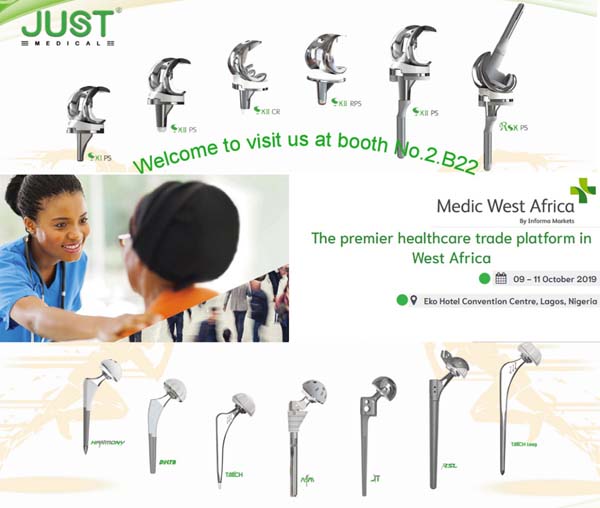
JUST MEDICAL will attend the Medic West Africa at Lagos Nigeria, and the RCOST 2019 at Pattaya, Thailand. They will be held in October, 2019. Welcome to meet us!
And We will have a holiday to celebrate National Day from 1st OCT to 7th OCT.
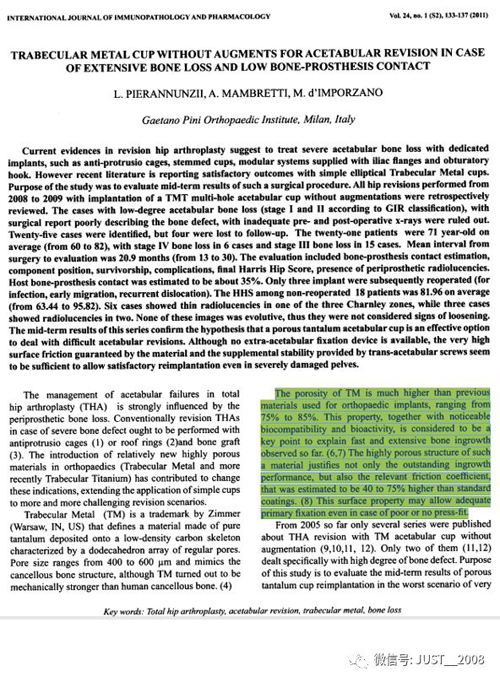
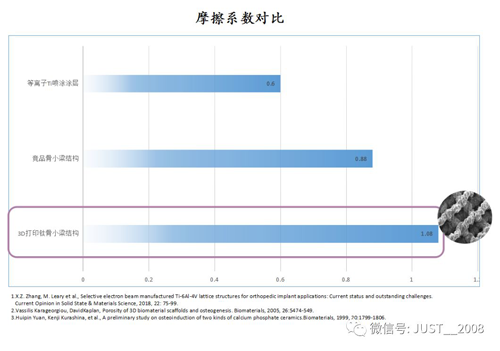
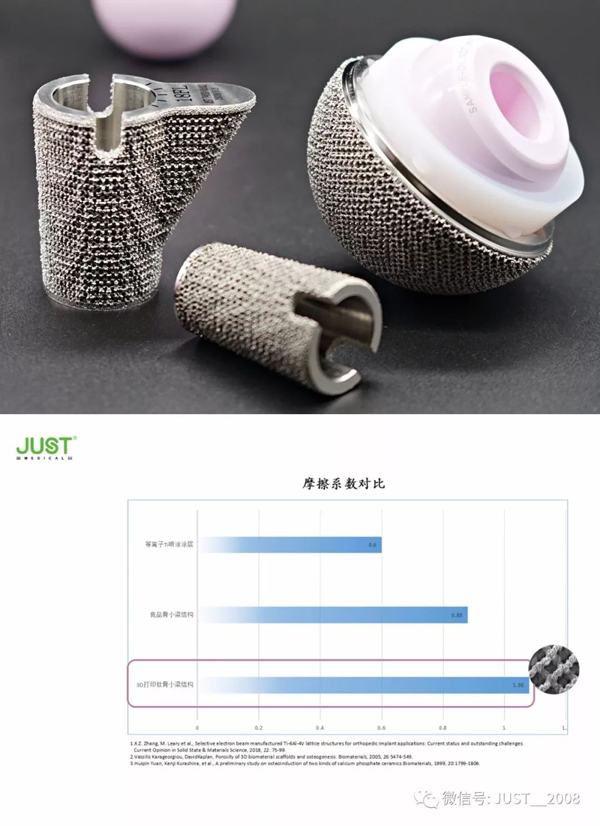
Clinical studies have shown that the coefficient of friction of the highly porous surface of the trabecular cup is 40%-75% higher than that of the conventional coated cup.
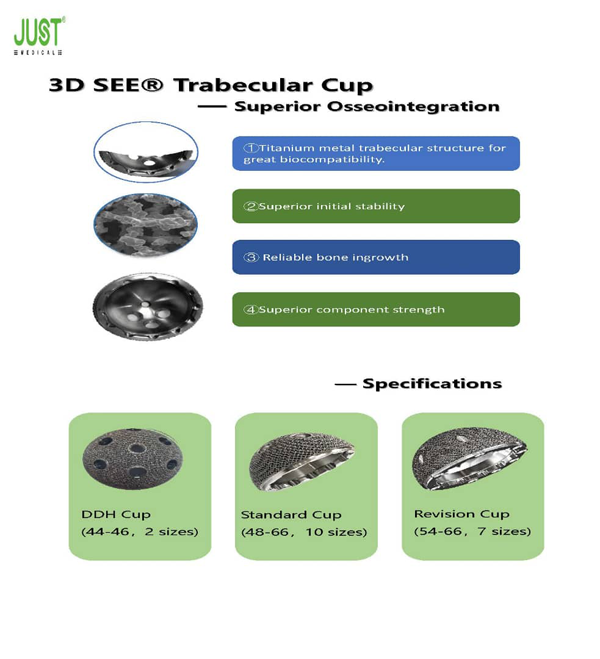
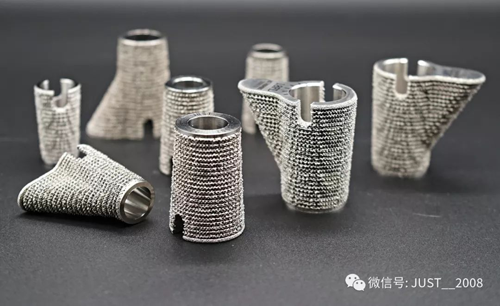
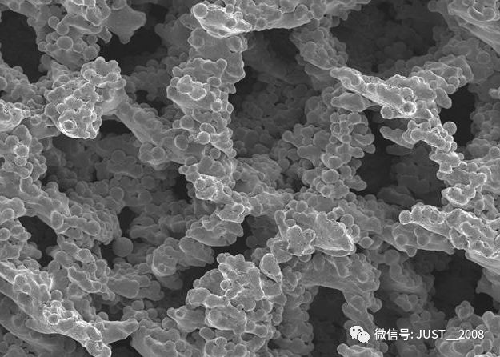
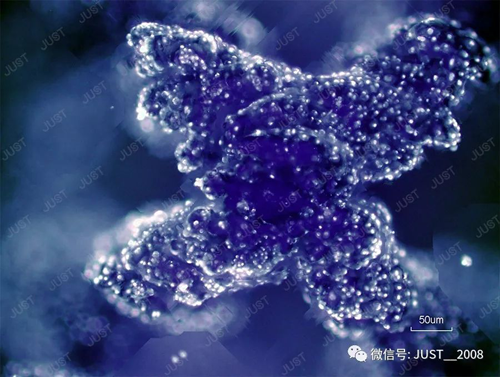
JUST 3D SEE® trabecula metal cup and trabecular sleeve use electron beam melting (EBM) process for high surface roughness, 75%-80% porosity design, friction coefficient up to 1.08, to provides excellent initial stability.
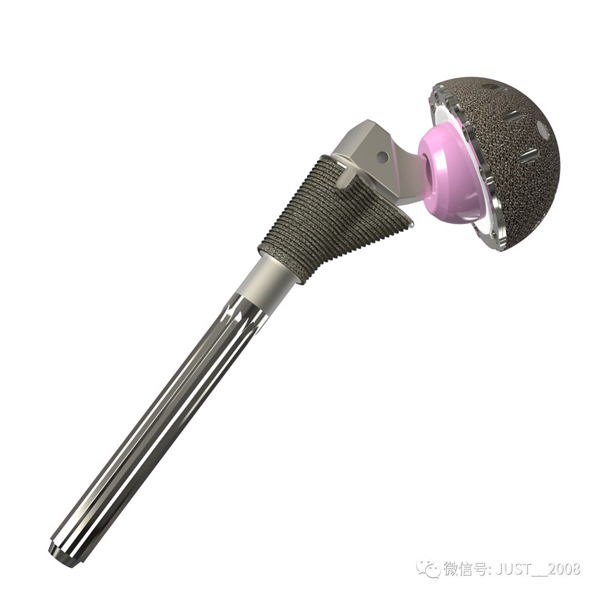
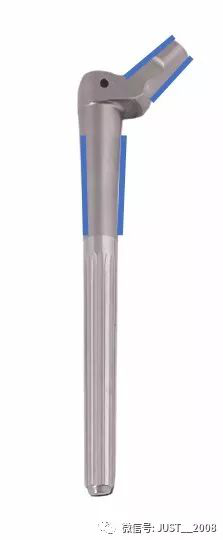
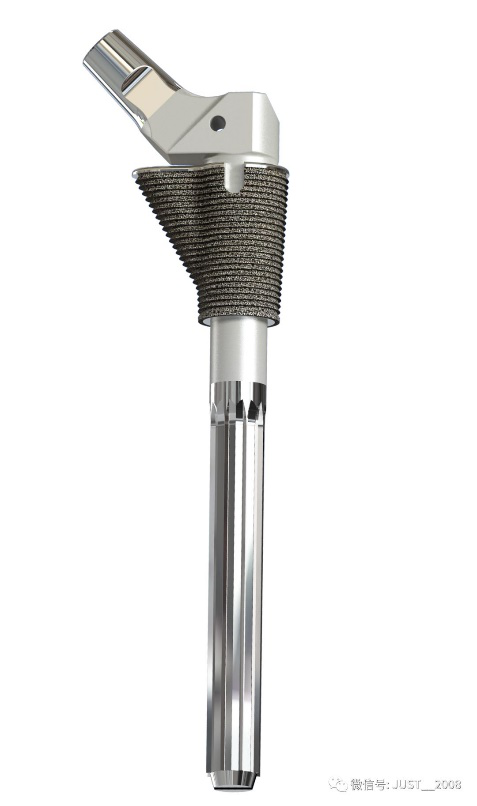
The JUST 3D SEE® trabecular metal modular femoral stem’s stem body is assembled with different types of trabecular sleeves for proximal intramedullary filling for superior initial stability.
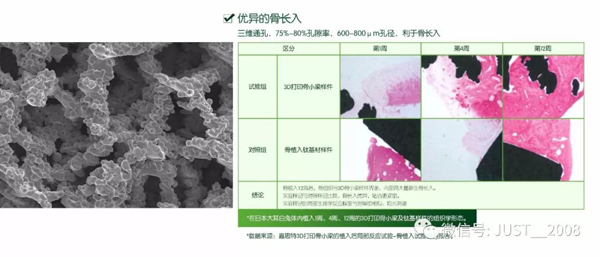
Excellent bone ingrowth
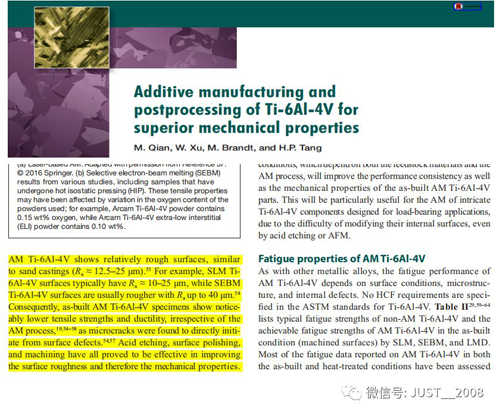
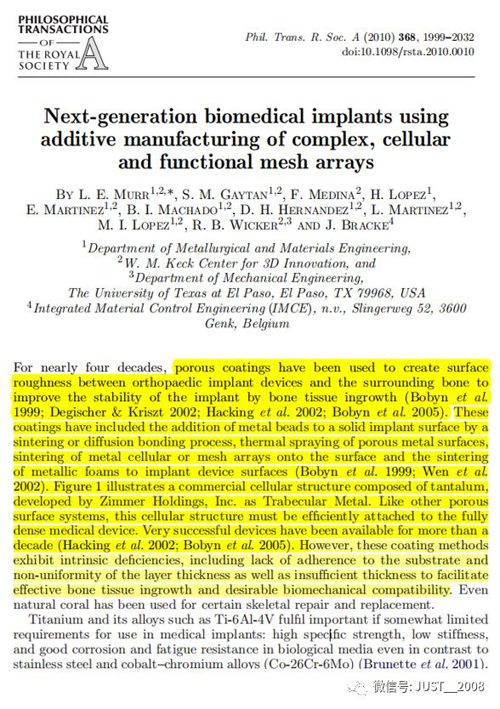
The metal surface coating technology can effectively improve the bone ingrowth of the interface between the prosthesis and the host bone. At the same time, there are some potential risks such as shedding, poor thickness uniformity.
JUST 3D prints the trabecular structure is integrally formed by EBM technology. The metal particles are completely fused, and the porous layer and the solid have no interface, avoiding the risk of surface detachment and facilitating long-term osseointegration.
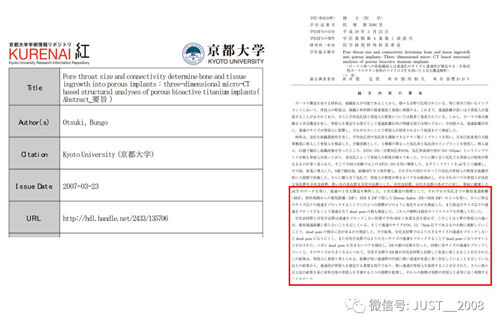
Pore diameter: The diameter of the inscribed ball of the trabecular element structure. Clinical studies have shown that a pore diameter of >300 μm is conducive to the formation of new bone and vascularization.
Acetabular up and trabecular sleeve are selected for a 600-800 μm pore diameter to perfectly balance the bone ingrowth performance and mechanical properties of the prosthesis.
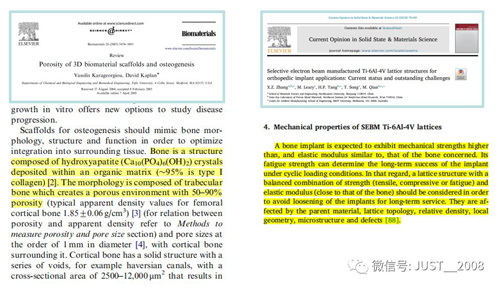
Porosity: refers to the ratio of the pore volume in the material to the total volume of the material in the natural state. This parameter is related to the pore size in the surface of the prosthesis, the thickness of the beam and the shape of the pore. The porosity of human cancellous bone is 50%-90%, and the porosity is considered to be the most favorable for bone growth in this interval.
The JUST MED’s 3D SEE® trabecular metal cup and trabecular sleeves are 75%-80% porosity for great bone ingrowth.
Three-dimensional communication micropores: Conducive to the growth of bone tissue to the center.
P.S.: JUST 3D-printing raw materials use titanium metal powder imported from Sweden to strictly control the source of the material.
Looking for more information about our products, feel free to contact Hip Prosthesis Supplier.
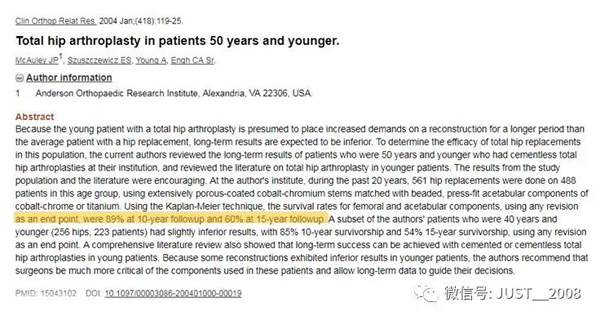
With the younger-age trend of total hip arthroplasty (THA), the number of patients undergoing THA revision is increasing. Clinical literature has shown that the rate of hip revision is significantly higher in younger and more active patients, with a 15-year prosthesis survival rate of only about 60%.
Why is the survival rate of the prosthesis low? What can we do in the prosthesis design?
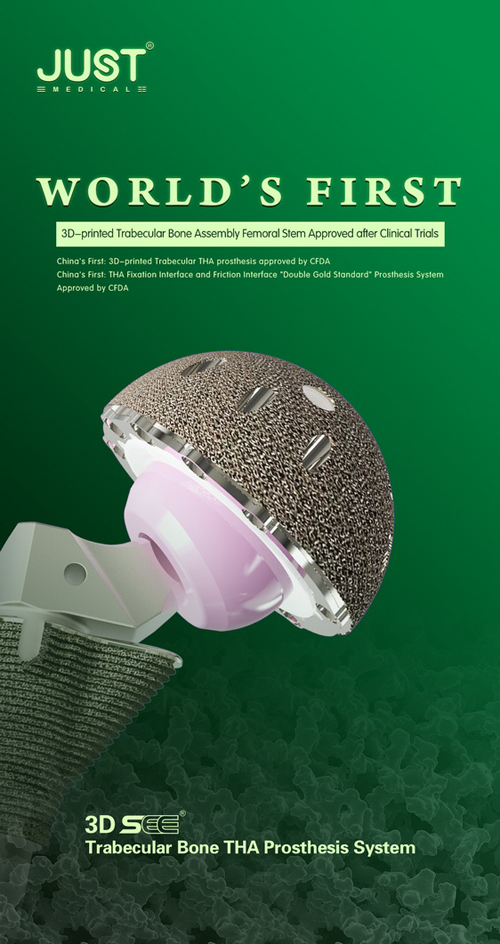
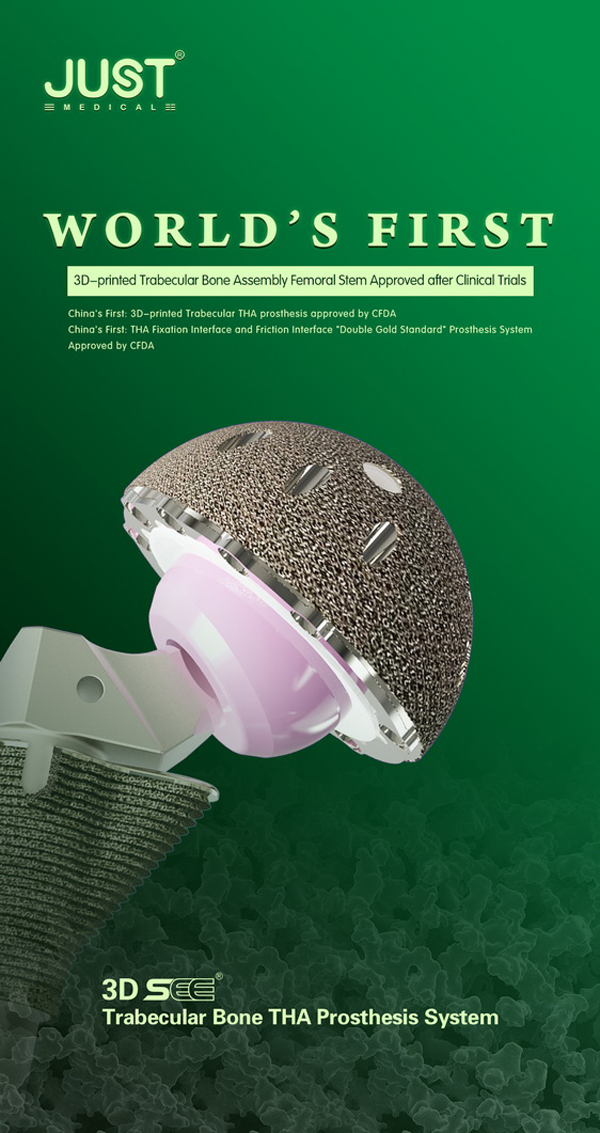
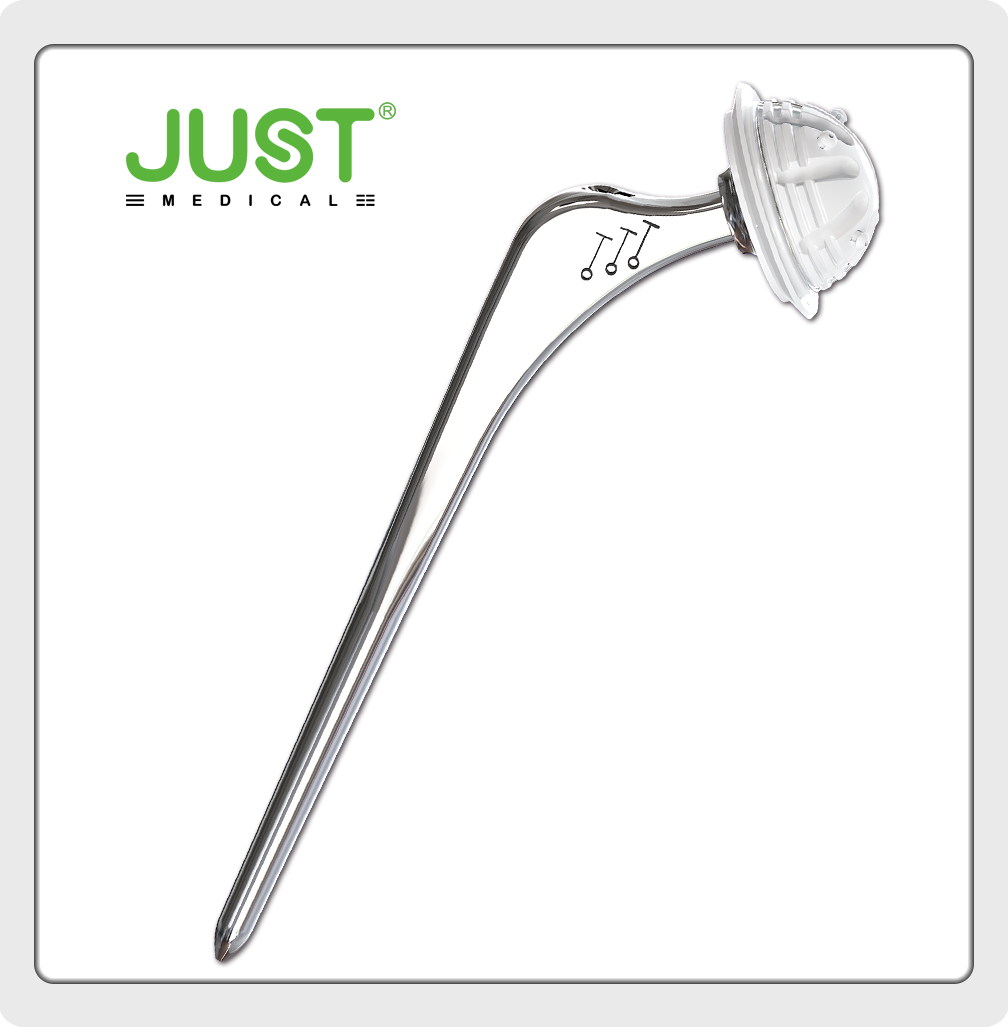
As a professional Hip Joint System Replacement Manufacturer, the “3D SEE® trabecular metal hip prosthesis system” released by the JUST MED has given the perfect solution.
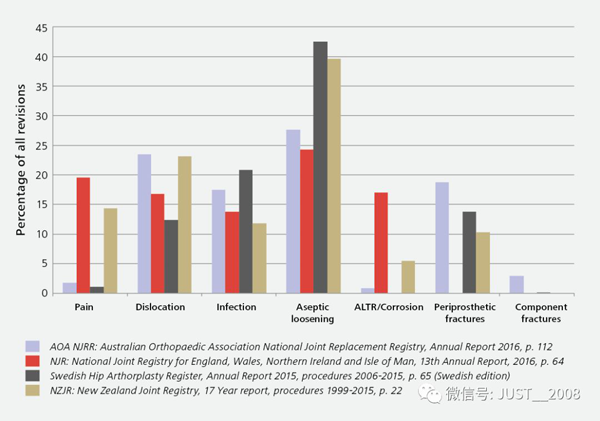
Statistics on the reasons for the revision of the multi-country registration center in 2016 show that aseptic loosening is the main reason for postoperative revision.
At present, there are many basic and clinical studies on aseptic loosening, which are mainly divided into mechanical mechanisms and biological mechanisms.
The mechanical mechanism plays an initial role in the occurrence of aseptic loosening, mainly including two aspects:
1. Micromovement
Excessive micromotion of the prosthesis-bone interface can affect the tight binding of the bone to the Prosthesis. When the micro-motion of the prosthesis-femoral interface is greater than 150 μm, bone formation is inhibited, resulting in formation of a fibrous membrane. Micromotion can also directly lead to osteolysis, increasing the risk of aseptic loosening.
JUST 3D SEE® trabecular metal cup, modular femoral stem and sleeve use 3D printed electron beam fusion molding technology. The friction coefficient of sleeve trabecular porous layer is up to 1.08 to minimize Micromovement.
Hip joint interface gold standard — 3D printing titanium metal trabecular porous structure
At the same time, the porous trabecular bone layer of 3D SEE® trabecula metal cup and sleeve is a three-dimensional through-hole structure with a porosity of 75%-80% and pore diameter of 600-800μm. It has excellent bone ingrowth effect to ensure the long-term stability after implantation.
3D SEE® trabecular metal modular femoral stem: The head-neck, sleeve-stem of the stem body are tapered to minimize micromotion.
2. Stress Shielding
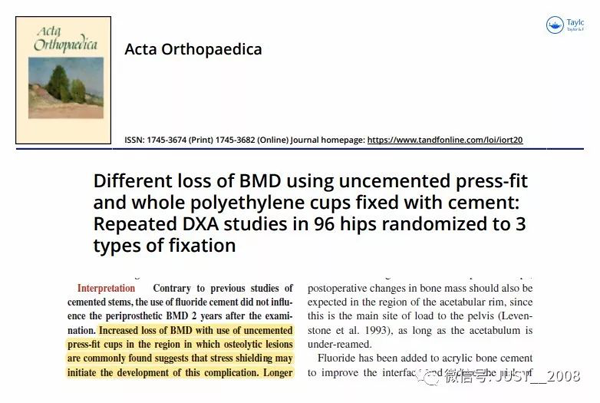
Digas found that stress shielding is involved in the loss of bone density around the uncemented press-fit cup, which in turn causes the prosthesis loosening. At the same time, in some clinical studies, the proximal femur is also a high-incidence area of stress shielding.
3D SEE® trabecular metal modular cup and sleeve are of 75%-80% porosity and the elastic modulus close to cancellous bone to minimize stress shielding.
3D SEE® trabecular metal modular femoral stem: different types and specifications of trabecular sleeves ensure the proximal intramedullary filling to achieve stress distribution to the proximal end and reduce the stress shielding of the proximal femur. The distal torus coronal “tuning fork” design reduces stiffness and minimizes stress shielding.
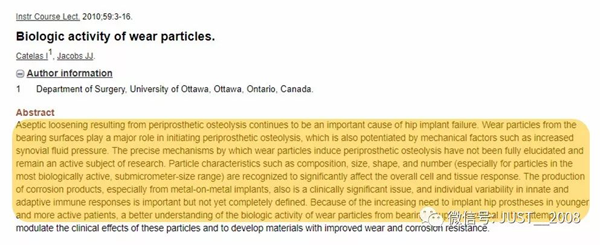
The biological mechanism plays an important role in the late stage of aseptic loosening of artificial joints. Due to the effects of different levels of particles, cells, molecules, etc., the polyethylene particles produced by the wear of the main prosthesis produces macrophages, which eventually leads to osteolysis.
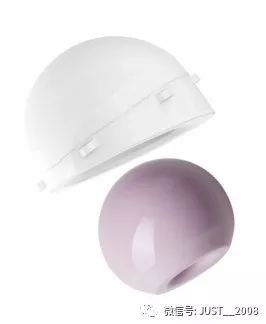
JUST MED adopts the international clinical mainstream low-friction interface prosthesis: ceramic head to highly cross-linked liner to ensure safety while minimizing wear.
The design of the 3D SEE® trabecular metal hip prosthesis system minimizes the incidence of aseptic loosening, ensures the long-term survival rate of the prosthesis, and helps doctors bring healthy life to patients by starting from mechanical mechanisms and biological mechanisms!
If you need any information about Hip Prosthesis China, feel free to contact us.
Hip Prosthesis China
Hip joint lesions are often insidious onset, early symptoms are not typical, can be unilateral or bilateral hip joint pain, does not cause people’s attention, but squamous inflammation and synovitis are constantly developing. When there is significant hip pain or even limited mobility, the hip articular cartilage has been destroyed and the joint space has been narrow.
Pathological changes in ankylosing spondylitis include tendon attachment (sputum inflammation) and synovitis. In the axial joint of ankylosing spondylitis, the pathological changes leading to joint damage and rigidity are mainly temporal inflammation. Although ankylosing spondylitis often involves peripheral synovial joints (such as knee joints, ankle joints, etc.), there is little rheumatoid arthritis-like bone erosion. This phenomenon has not yet been scientifically explained. Some scholars believe that in the pathological changes of rheumatoid arthritis, osteoclasts play an important role, because the bone is larger than the osteogenesis, so there is obvious bone resorption; in ankylosing spondylitis, the osteogenesis is greater than the bone. Therefore, it is easier to form bones. Therefore, hip damage in ankylosing spondylitis may involve two types of pathological changes, namely synovitis and spasticitis.
Hip arthritis refers to a type of osteoarthritic disease in which articular cartilage degeneration or bone structure changes due to long-term imbalance of hip joint surface.
The main symptom is gait abnormalities and hip pain during activity or weight bearing. Hip pain can be transmitted through the obturator nerve to the groin, thigh, and knee joint. There may also be a feeling of soreness around the buttocks and the greater trochanter of the femur, and radiate to the posterior aspect of the thigh.
Treatment policy:
First, medication is applied to reduce friction between tissues, improve inflammation and joint activity, and relieve joint pain. If the drug treatment is ineffective, severe surgery is required.
Surgical treatment:
1. Sodium hyaluronate, which plays a lubricating role in the joints, reduces friction between tissues, and can significantly improve the inflammatory reaction of synovial tissue after injection into the joint cavity, enhance the viscosity and lubrication function of joint fluid, protect articular cartilage, and alleviate Pain, increase joint mobility.
2. Glucosamine, the most important monosaccharide constituting aminoglycans and proteoglycans in the articular cartilage matrix, can block the pathogenesis of osteoarthritis, promote chondrocytes to synthesize proteoglycans with normal structure, and inhibit damaged tissues and The production of cartilage enzymes reduces the damage of chondrocytes, improves joint activity, relieves joint pain, and delays the course of bone and joint inflammation.
3. Non-steroidal analgesic and anti-inflammatory drugs can inhibit the synthesis of cyclooxygenase and prostaglandins, fight inflammation, relieve joint edema and pain.





 justortho