Inner: Three layers of sterile package, both are Tyvek + PETG heat-sealing package, covered by carton and heat shrinkable filmsExternal: Standard carton
Lead Time
7-21 days (To be negotiated)
Delivery
Door to door (DHL/TNT/UPS/FEDEX/EMS, etc.)
Hip replacement materials titanium, high quality total knee replacement and hip replacement symptoms can be offered for you, if you need, please contact us.
Inner: Three layers of sterile package, both are Tyvek + PETG heat-sealing package, covered by carton and heat shrinkable filmsExternal: Standard carton
Lead Time
7-21 days (To be negotiated)
Delivery
Door to door (DHL/TNT/UPS/FEDEX/EMS, etc.)
If you have any question on partial knee replacement, Bone Preservation Stem replacement and Acetabular cup removal Instrumentation, please inform us. We will give the professional answers to your questions.
The posterior cruciate ligament-reserving (CR) knee joint prosthesis is increasingly recognized by international clinical experts for its good functional recovery and excellent proprioception. 2018 National Joint Replacement Registration System (NJR) data show that cemented cruciate ligament-retaining primary knee prostheses account for 57% of all knee replacements. The American Joint Replacement Registration Center (AJRR) shows that since 2012 The number of CR knee replacements increased year by year, reaching 40.4% in 2017.
During normal knee movement, the posterior cruciate ligament (PCL) bears a large amount of load and therefore plays an important functional role. When the knee flexes, the posterior cruciate ligament moves the femur backward or “rolls back” relative to the tibia. In the high flexion state, the anterolateral bundle of PCL is considered to limit the medial and lateral displacement of the tibia, while the posterior medial bundle limits the anteroposterior translation of the tibia.
Different from the posterior cruciate ligament replacement (PS) knee joint prosthesis, the cam post mechanism is used to roll back the knee joint. The posterior cruciate ligament (PCL) retention type is combined with effective PCL balance and suitable tibial plate pad selection to ensure the femur. On the basis of rolling back, you can increase the range of motion (ROM), reduce the shear force between the implant and the bone, and maintain the proprioception. Therefore, according to the judgment of the degenerative state of the ligament, the type of implant and other comprehensive factors, a suitable CR or PS total knee prosthesis can be selected.
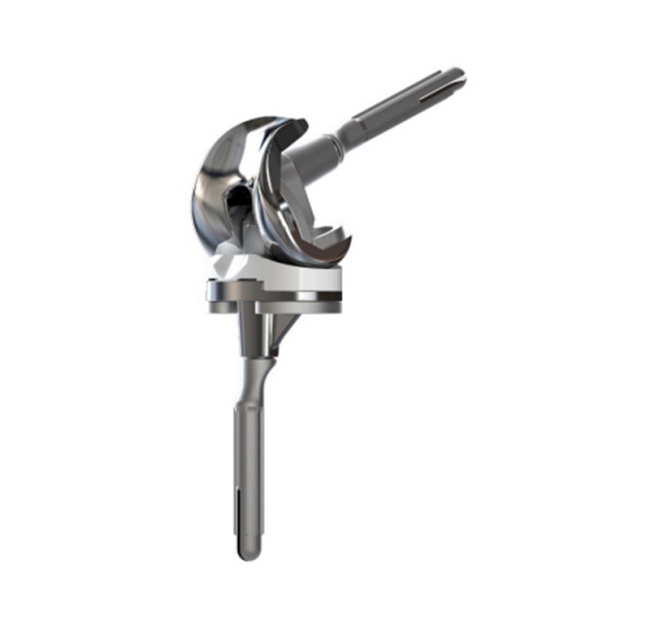
SKII provides PS-type and CR-type total knee joint systems to achieve the integration of multiple mechanisms to meet the different needs of doctors and patients.
In recent years, in the field of prosthetics and other medical device manufacturing, 3D printing has brought a lot of influence. A research team from Delft University of Technology has recently developed new metamaterials with a unique combination of important properties that opens up the future of 3D printed hip implants. A joint prosthesis manufacturer shares with you.
Loosening of implants is one of the issues that may affect the long-term effectiveness of medical devices, especially implanted devices in the hip area. By 2020, the number of hip joint prostheses worldwide is expected to reach 2.5 million per year, and according to current technology, about 10% of the prostheses will loosen the implant within 10 years after surgery.
Biological metamaterials are so-called biomedical variants of metamaterials that can show features that do not exist in nature. The material developed by Delft University of Technology can be stretched and deformed. The secret is that they have a negative Poisson’s ratio, which means that they become more perpendicular to the applied force when stretched. The super-biological material with simple geometric design and titanium metal printing shows the unique expansion of mechanical properties under pressure.
The 3D printed hybrid prosthetic hip implant incorporates one material that becomes thicker when stretched and the other thinner. This double Poisson’s ratio combination will help bone growth around the implant, meaning that the implant will hold well.
This implant has not been clinically tested. So far, tests have only been performed on special foams that mimic the mechanical properties of bone, a type of bone, and have been implanted for vertical compression. This force is similar to the stress to be applied to a human implant. Due to this pressure, the new implant swells, causing compression around the bones on both sides. When the implant is ultimately used in the human body, it is this compression that will ensure improved implant fixation.
Total knee arthroplasty, as the most effective method to treat articular surface damage caused by severe osteoarthritis, rheumatism, and rheumatoid arthritis, has been accepted by more and more patients with joint disease. However, in the case of injured surgery, the benefits are often accompanied by risks. Let the Joint prosthesis manufacturer briefly introduce the risks associated with total knee replacement surgery.
Near-term risk
infection
Although the risk of infection after joint replacement is low, you should immediately notify your doctor if you notice these signs.
Fever
Body temperature exceeds 100 degrees Fahrenheit (37.8 degrees Celsius).
Exudate at the surgical site
Infected joint replacement surgery usually requires surgery to remove the artificial prosthesis and sterilize it with sensitive antibiotics.
Once the infection is under control, the knee joint needs to be reworked.
Each additional surgery reduces your chances of getting good or excellent pain relief and improved functional outcomes.
Artificial joints also wear out: Under daily stress, even the strongest metal and plastic parts eventually wear out.
If you exercise too much or are overweight, the risk of artificial prosthesis failure is higher for you.
In total knee arthroplasty, intramedullary extension rods are often used for stress conduction to reduce bone-prosthesis interface stress and ensure long-term stability of the prosthesis. Femoral head total hip replacement manufacturer will take you systematically to understand how extension rods solve the four major clinical problems of TKA.
1. Poor bone mass
For the problem of poor bone quality during the initial knee replacement, you can choose to use the intramedullary extension rod according to the intraoperative situation, which plays a role of stress conduction in protecting the cancellous bone of the proximal end, bypassing the damaged joint and Metaphyseal end bone to enhance the fixation effect of the prosthesis.
2. Inadequate ligament function
For patients with inadequate ligament function during the first knee replacement, the prosthesis is optimally designed, and the tibial platform pad with a widened column is used to form a relatively close fit with the intercondylar fossa to ensure the stability of varus and varus. Optionally, an intramedullary extension rod can be used to provide resistance to bending stress, allowing loads to be transmitted to the distal tibia.
3. Stability of total knee arthroplasty
In revision total knee arthroplasty, soft tissue damage and femoral and tibial bone defects often occur. Studies have shown that the use of femoral intramedullary extension rods does not increase the risk of tibia failure. On the contrary, for restrictive prostheses, The use of the femoral intramedullary extension rod makes the tibial cancellous bone strain level more balanced, that is, the strain difference of the cancellous bone in the medial and lateral regions is the smallest.
4. Complex knee problems
In recent years, highly restrictive prosthetic designs have been continuously developed and optimized to handle more complex deformities and meet the increasing needs of total knee arthroplasty. Hinged knee prostheses are used for complex primary or revision arthroplasty, and their implantation The torsional and bending stress generated by the human body is transmitted to the interface between the bone and the tibial plateau, which easily leads to clinical problems such as loosening of the interface. The use of an extension rod can reduce the possibility of aseptic loosening of the hinge knee implant and lose a large amount of bone that Provides remote fixation in case.
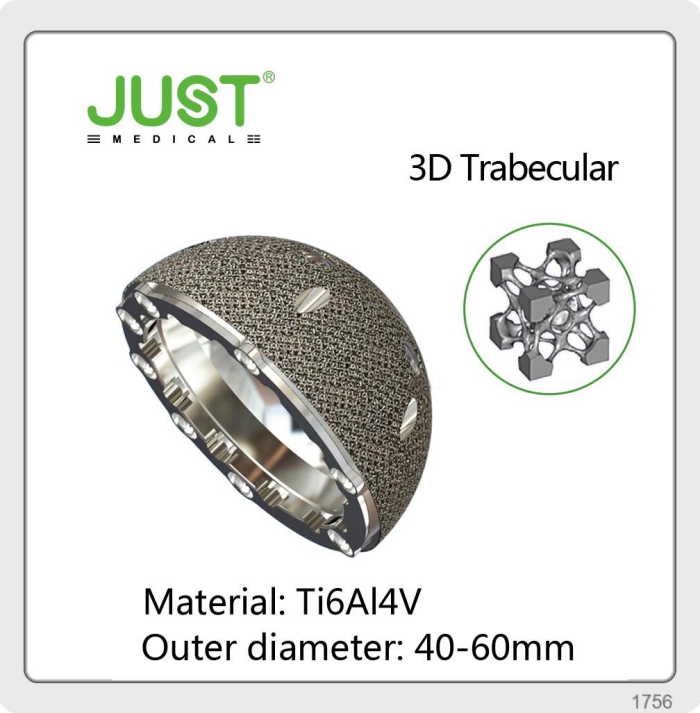
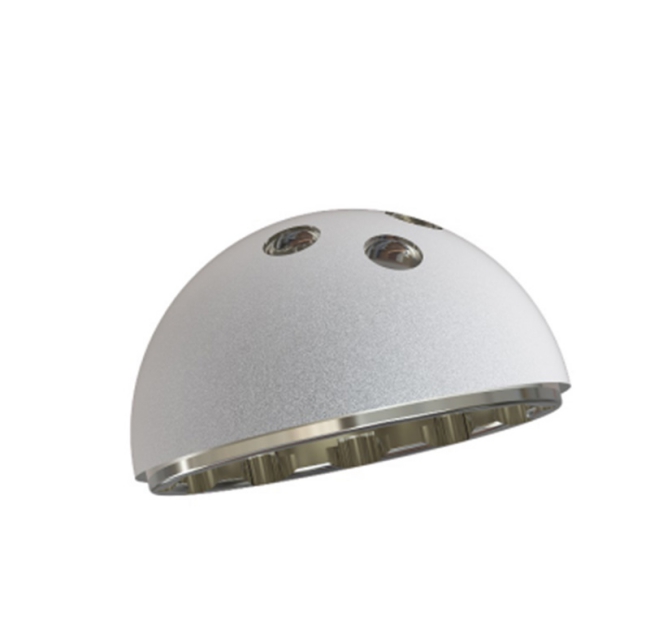
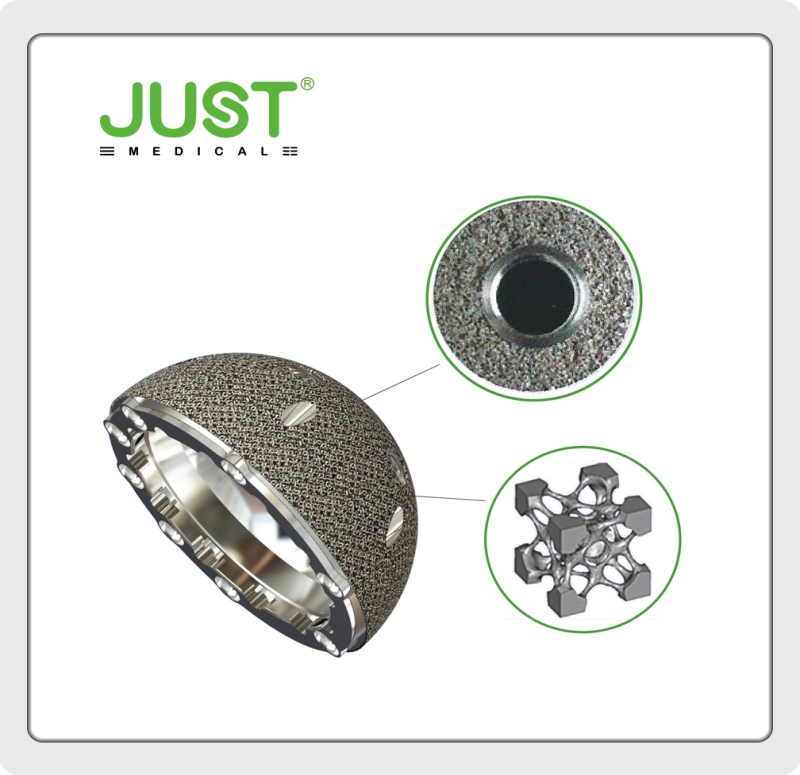
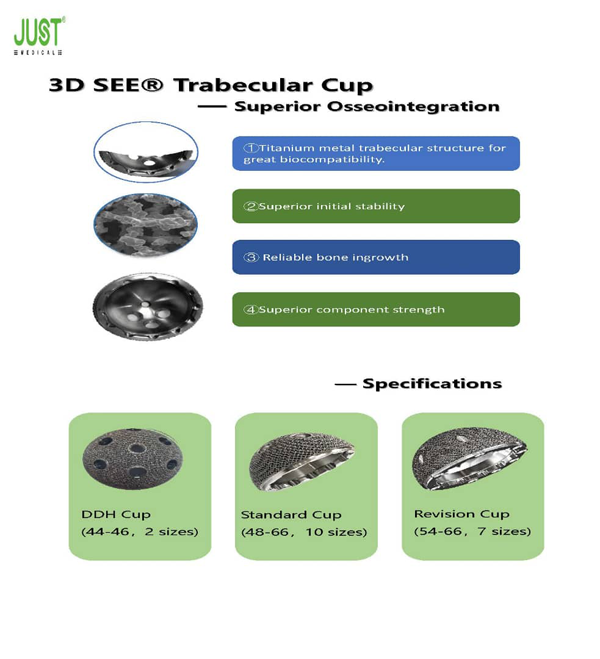
The purpose of artificial joint replacement is to enable the patient to regain a painless, stable and functional new joint. Therefore, persistent pain after surgery is an unacceptable and important complication for both the patient and the operator, and it must cause serious concern and timely and proper treatment. There are many reasons for persistent pain after knee arthroplasty, which need to be fully evaluated through detailed medical history analysis, physical examination, laboratory examination and imaging analysis. Our company provides Ti Cup hip prosthesis.
Pain after total hip surgery is a very complex issue. It can be caused by a variety of reasons, such as implant-related, intra-articular, peri-articular, and distant nerves. Orthopaedic surgeons who perform total hip arthroplasty face many technical challenges. These patients are often older and frail, with combined incomplete tissue and metabolic reserve. There may be a number of issues that must be addressed, such as postoperative pain, loosening of the prosthesis, instability, varying lengths of the lower extremities, fractures around the prosthesis, infection, decreased bone mass, or significant bone defects.
Pain is the main indication for total hip revision, but not all pain requires revision surgery. Although some patients do not have severe pain, sometimes clinical examinations and X-rays reveal lesions that require revision in the short term. Delayed surgery will make future treatment more difficult, and revision surgery will be performed, but this situation is only a minority.
To analyze the cause of pain, determine whether the pain is caused by the failure of total hip replacement, and then consider whether the need for revision surgery for the cause. If it is caused by other factors, such as disc disease, spinal arthritis, spinal stenosis, metastatic or primary tumors, vascular occlusion, stress fractures, or reflex sympathetic dystrophy, it is not a surgical adaptation for total hip revision disease.
At present, the artificial joints of the three materials widely used in clinical practice have their own advantages and disadvantages, and the choice of artificial joint materials mainly refers to the choice of friction interface. The wear rate of the friction interface determines the joint usage time. The acetabular cup system hip prosthesis manufacturer and you share the classification of the acetabular cup.
At present, the friction interface of the hip replacement prosthesis can be roughly divided into the ceramic head to ceramic, ceramic head to polyethylene, metalhead to polyethylene, metalhead to metal.
Ceramic head + ceramic cup: the cost will be relatively high. The main advantage of this combination is that it is relatively more durable. In ceramic and ceramic friction, the same load, wear relative to the metal interface is much smaller, and because of wear residual in the joint cavity particles are also very few, basically will not appear the body to wear particles rejection. But ceramics are brittle, and in extreme activity or poor posture, there is little risk of breakage. There are very few patients in the activity that will appear “creak” ceramic friction produced by the abnormal sound.
Metalhead + polyethylene cup: a long history of application, is a more classic combination. Metal on ultra-high molecular polyethylene, generally will not appear in the activity of abnormal sound, there will be no fragmentation and other conditions. However, compared with the ceramic-to-ceramic friction interface, it wears a little more at the same load for the same time. In a very small number of sensitive patients, it will react to the worn debris, causing inflammation around the wear debris, and gradually appear pain around the prosthesis and loosening of the prosthesis.
Metalhead + metal bushing: Metal-to-metal friction interface (cobalt-chromium, sometimes stainless steel) This friction interface has been in use since the 1960s. However, the interface can generate a large amount of metal wear particles, which can be swallowed by macrophages to produce a foreign body reaction, and the metal ions generated by the abrasion may also enter the blood, causing an allergic reaction of the body. In recent years, such interface joints have been deactivated.
Ceramic Head + Polyethylene Cup: The ceramic head is harder than metal and is the most scratch-resistant implant material. At present, the ceramic used in joint replacement surgery, its hard, scratch-resistant, ultra-smooth surface can greatly reduce the wear rate of the polyethylene friction interface. The potential wear rate of this implant is less than that of metal to polyethylene. In other words, ceramic to polyethylene is theoretically more wear-resistant than metal to polyethylene.
There are many types of artificial total hip joints, the design is constantly improving, and the materials are constantly improving. At present, ceramic-to-polyethylene joints are the most widely used in clinical applications.
Our company also sells Hip Spacer Mold, please feel free to contact us.
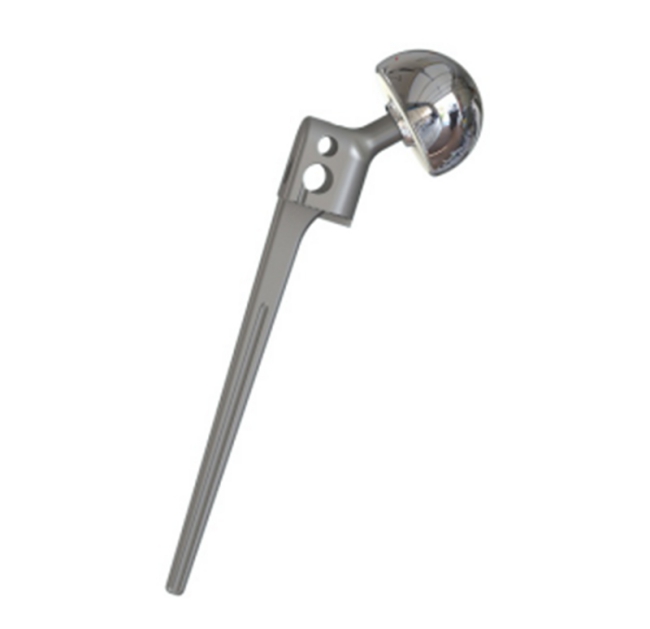
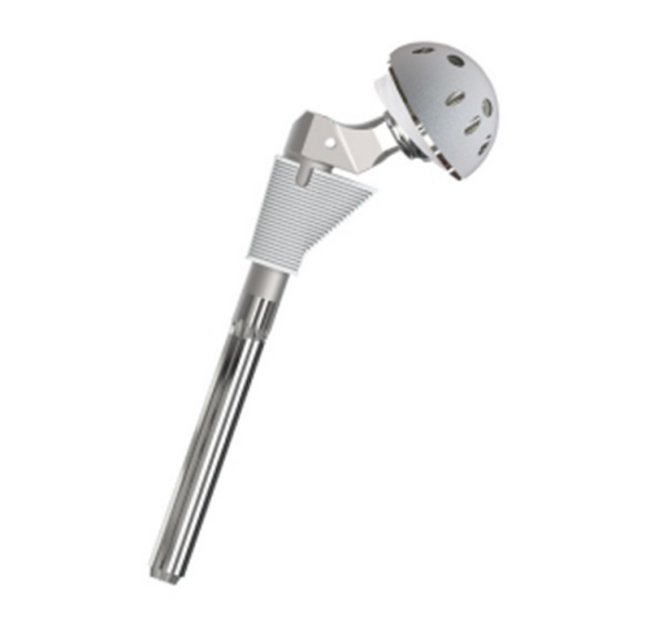
Total hip replacement is a type of prosthesis similar to the human skeleton that can replace the injured joint or joint surface due to disease or injury, relieve joint pain, correct prosthesis deformity and improve joint mobility. Now more and more applications in clinical. For patients who are going to have a hip replacement, or who are going to have a hip replacement later on, a very important moment is the choice of a hip prosthesis.
Currently, the commonly used materials for hip replacement implants are mainly metal materials, polyethylene materials and ceramic materials.
Metal materials: They are widely used in artificial joint materials because of their good mechanical properties, ease of processing and reliability. They are often used to make artificial joints that are complex in structure and must withstand great strength.
However, the materials used to make the metal friction surface are heavy metals, and the heavy metal ions that are worn out will not cause harm to the human body. There is no final conclusion yet.
Heavy metal ions may have an impact on fetal development in women of childbearing age who are pregnant with a baby. Because heavy metal ions are mainly excreted through the kidneys, patients with renal insufficiency should not be used.
Polyethylene material: It has ultra-high score and high wear resistance. It is used in the inner cup of bone cement type acetabulum or acetabulum. It is an ultra-wearing “plastic”. However, the wear particles can induce macrophage reaction, leading to osteolysis, which is the main reason for the long-term loosening of the joint.
Ceramic materials: with good biocompatibility, ultra-high hardness, wear resistance and corrosion resistance, can solve the problem of bone dissolution caused by wear particles of metal and polymer prosthesis materials; The ceramic also overcomes the problem of the prosthetic releasing metal ions in the body.
Ceramic materials have good hydrophilic properties and can be used as joint implantto ensure the lubricity of joints. However, the problem of ceramic prosthesis breakage may occur during joint replacement, resulting in failure of the prosthesis.



 justortho