What Is a Femoral Neck Fracture and Why Is It Easy to Fracture?

According to statistics, femoral neck fractures account for 3.58% of the total number of fractures. It often occurs in the elderly. With the extension of life span, its incidence is increasing and has become a serious social problem. Now the joint prosthesis supplier is with us to get to know it.

What is a femoral neck fracture?

A femoral neck fracture refers to the fracture from below the femoral head to the base of the femoral neck. The blood supply of the fracture site is special, and it is prone to delayed union or nonunion of the fracture, and it is also easy to cause femoral head necrosis. A femoral neck fracture is the most common injury of the hip, and the incidence of systemic fractures is second only to fractures of the distal radius. In clinical practice, according to the position of the fracture line, it is divided into subcephalic, transcervical and basal types.

Why is the femoral neck easy to fracture?

1. External factors (35%):

Due to the degeneration of the hip muscles in the elderly, the reaction is slow and cannot effectively offset the harmful stress of the hip. In addition, the hip is subject to greater stress (2-6 times the body weight), and the local stress is complex and changeable, so there is no need for much violence. Such as slipping on the ground, falling from the bed, or sudden twisting of the lower limbs, fractures can occur even without obvious trauma.

2. Osteoporosis (20%):

Due to the degeneration of the hip muscles in the elderly, the reaction is slow and cannot effectively offset the harmful stress of the hip. In addition, the hip is subject to greater stress (2-6 times the body weight), and the local stress is complex and changeable, so there is no need for much violence. Such as slipping on the ground, falling from the bed, or sudden twisting of the lower limbs, fractures can occur even without obvious trauma.

3. Accidents (35%):

Femoral neck fractures in young adults often result from serious injuries such as car accidents or falls from heights.
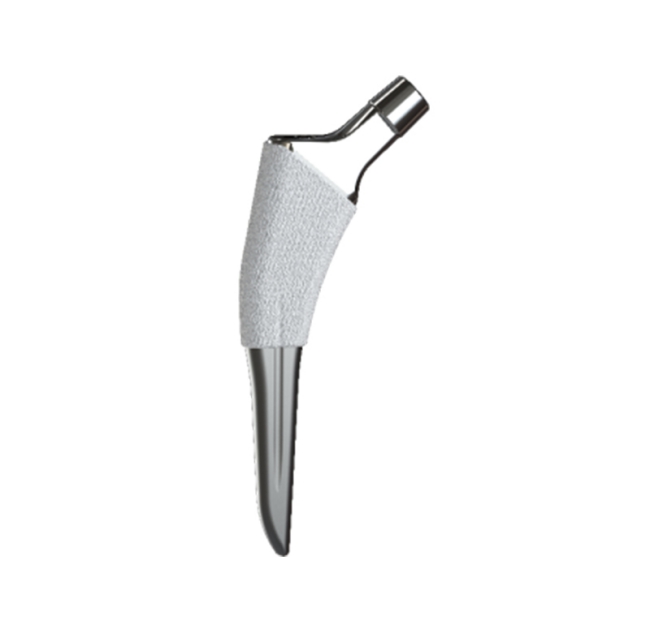
Joint Prosthesis

People who are prone to fractures

A femoral neck fracture is a common clinical disease and frequently-occurring disease, which can be seen in all age groups, with the highest incidence in middle-aged and elderly patients.

Complications after fracture

1. Nonunion of femoral neck fracture

Nonunion of femoral neck fractures is relatively common. The nonunion rate of 7% to 15% is reported in the literature, and the incidence is the highest in limb fractures.

2. Avascular necrosis of the femoral head

Avascular necrosis of the femoral head is a common complication of femoral neck fractures. With the progress of treatment in recent years, the fracture healing rate can reach more than 90%. However, the rate of avascular necrosis of the femoral head has not significantly decreased so far.

Our company provides joint prostheses.
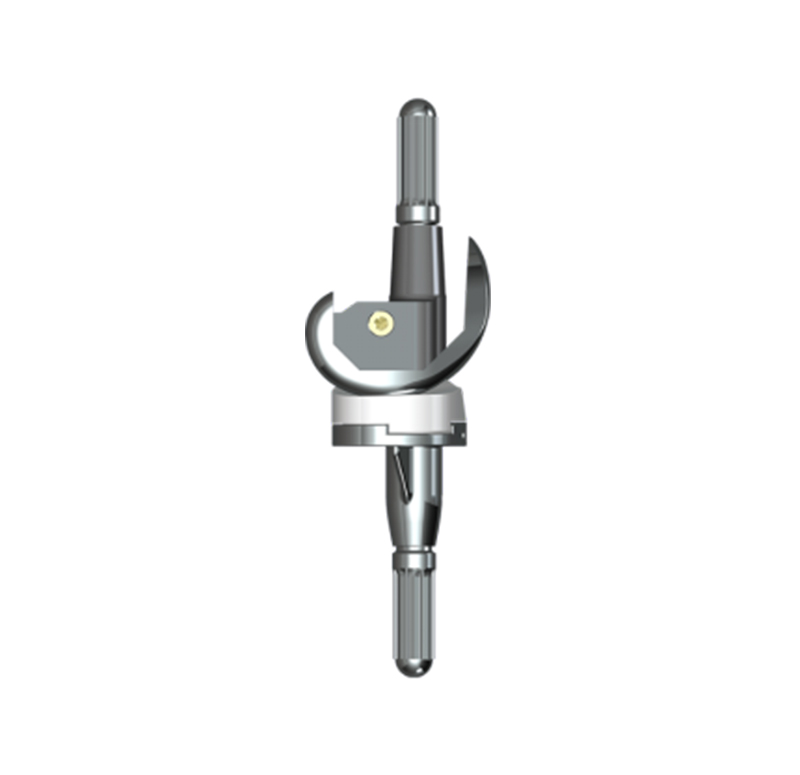
Application of Digital Medical Treatment in Total Knee Replacement

Total knee arthroplasty (TKA) can significantly relieve patients’ pain symptoms, improve joint functional status, and improve the quality of life of patients after surgery. It is currently a common operation for the treatment of various severe knee arthritis and has become a treatment for end-stage knee joints The main treatment for inflammation. In the total knee replacement surgery, the recovery of the lower limb force lines, the balance of the knee soft tissue, and the precise control of the rotation and adaptation of the artificial joint prosthesis are important factors that affect the success of the operation. Although most TKA operations can be completed through standardized surgical procedures, the treatment of special complex deformed joints is still a problem that troubles joint surgeons.

In recent years, with the application and continuous development of digital technology in the medical field, digital orthopedics technologies such as 3D printing and computer navigation systems have been gradually applied to joint replacement surgery. For patients with special complex deformities that are difficult to achieve satisfactory results with traditional surgical methods, the development of 3D printing technology and various personalized custom prostheses can alleviate or even break this dilemma, greatly reducing the difficulty of surgery and obtaining good treatment results. At present, there are increasing reports on the application of 3D printing technology to assist joint replacement, especially in the joint replacement of complex deformities. For the more difficult to deal with bone defect problems often encountered in knee revision surgery, the construction of new porous metal pads to deal with is also an example of the application of 3D printing technology.

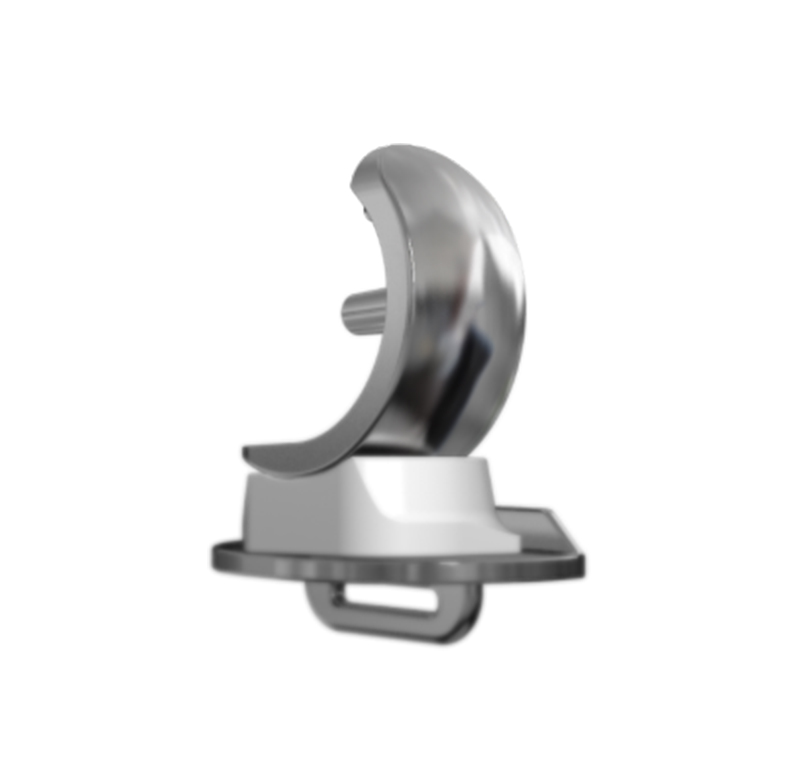
Knee Arthroplasty Implant

Computer-aided orthopaedic navigation technology (CAOS) is an application example of digital medicine in orthopedics. It combines image processing, stereo positioning, precision machinery and surgery to provide orthopedic surgeons with more sufficient digital information so that doctors can A detailed assessment and surgical plan are made before surgery, which improves the accuracy and safety of surgical operations. For knee arthroplasty, CAOS technology has the following advantages: (1) It can improve the accuracy of artificial joint prosthesis installation and positioning. (2) The kinematics of artificial joints can be dynamically observed during surgery. (3) Without intramedullary positioning, it can achieve minimally invasive surgery, reduce the amount of blood loss during and after surgery, and reduce surgical complications. (4) In the future, telemedicine can be realized by combining with 5G technology to make full use of medical resources.

Carrying out total knee replacement under the guidance of computer navigation, although prolonging the operation time than single total knee replacement, is more conducive to reducing the perioperative blood loss of the patient, the patient’s allogeneic blood transfusion rate is reduced, and the joint function recovery is ideal, and fewer complications and safe and reliable.

The above information is provided by a joint replacement techniques manufacturer.

Why Always Can Knee Ache?

Many people will feel this way, and they don’t exercise vigorously. Why do they still have problems with their knees and always feel knee pain? Does walking hurt your knee?

Yes, you guessed it right. The wrong walking posture and the bad walking venue really cause more or less damage to the knee joint, so what should we do? Joint prosthesis suppliershares with you.

How to avoid joint injury?

To reduce the loss of knees, do not twist your body; do not walk on one foot; do not bend your knees when carrying weight.

Wear thick-soled and flexible soft-soled shoes to reduce the impact of the knee joint, avoid knee wear, wear high-heeled shoes, and choose relatively comfortable flat shoes.

Pay attention to keep warm when necessary, wear warm knee protectors to prevent the knee joints from getting cold. Cold in the knee joint can cause blood vessels to contract, worsen blood circulation, and increase pain.

Knee Joint Prosthesis

The ground should be soft to avoid walking on hard ground such as cement ground for a long time. When the foot touches the ground, the heel first touches the ground, then the sole of the foot and the toes touch the ground so that the entire foot rolls smoothly across the ground.

To avoid excessive movement can lead to wear or destruction of articular cartilage. People with arthritis, try to reduce the large-scale movement of joints, especially not suitable for weight-bearing running, climbing, climbing stairs or running away, so as not to increase knee wear. It can carry out sports such as swimming and cycling, which have a small weight on the knee joint, which not only exercises the body but also avoids knee joint injuries.

Reducing body weight Excessive weight is one of the important causes of joint bone hyperplasia, cartilage degradation, and knee joint damage. Excessive weight can cause uneven compression of articular cartilage and subsequent inflammation. Reducing your own weight can directly and effectively reduce joint weight and joint pressure, and being thinner is also good for cardiovascular and cerebrovascular diseases.

Enhancement of leg muscle strength Many injuries occur when physical strength is low, so developed muscles, especially the quadriceps, can relieve the pressure on the knee to a certain extent and minimize knee damage.

Our company provides knee joint prosthesis.

Common Peroneal Nerve Injury after Artificial Knee Replacement and Its Coping Strategies

Complications after artificial knee replacement are divided into systemic complications and local complications. Systemic complications caused by knee replacement include fat embolism, myocardial infarction, urinary tract infection, etc., but they are similar to hip replacement relatively rare.

Common peroneal nerve injury

The incidence of common peroneal nerve injury after total knee arthroplasty is 1% to 5%, and most of the symptoms appear in the first 3 days after surgery. After the injury of the common peroneal nerve, the main manifestations are dysfunction of the tibialis anterior muscle and extensor digitorum longus. Most of them occur during the deformity of severe knee flexion contracture and/or knee valgus.

1. Reason

During the operation, the nerves were directly squeezed and pulled by the hook.

Excessively stretch or extend the lower limbs.

Postoperative local dressing, hematoma, plaster compression.

Postoperative analgesia, decreased sensitivity of the limbs, loss of protective reflex, and the common peroneal nerve is not easily noticed by the patient after compression.

Improper use of tourniquets, excessive pressure, or prolonged hemostasis.

Hip Replacement

2. Processing

Conservative treatment: remove all dressings, make knee flexion <30°, and apply neurotrophic drugs.

Surgical exploration: If the common peroneal nerve is compressed by a progressively increased hematoma, or if conservative treatment continues for more than 3 months and the nerve function does not recover, surgery should be performed to open the nerve for decompression.

Before the recovery of the common peroneal nerve, the ankle-foot support is used to support the foot, and the passive back extension of the ankle joint is performed to prevent the foot from sagging.

3. Prevention

For patients with severe knee flexion and/or severe knee valgus deformity, they should be fully exposed during surgery, and the common peroneal nerve should be released and protected.

During operation, avoid pulling and squeezing the common peroneal nerve directly.

When correcting severe knee flexion and/or valgus deformity, in order to prevent common peroneal nerve injury, the soft tissue should be completely loosened and the osteotomy should be sufficient.

Be careful not to press the common peroneal nerve during bandage and braking after the operation, especially for patients who use epidural intubation for pain relief after the operation, use a cushion to raise the buttocks to prevent external rotation of the lower extremities and compression of the fibula head.

The above information is provided by joint prosthesis exporter.

How to maintain your joints?

If we compare our body to a building, then the joint is the key to the structure supporting this building, connecting our bodies, and allowing us to move freely. 

Therefore, joint problems cannot be ignored and are not far away from us. Sports injuries, work strains, unhealthy lifestyle habits, etc. have all caused small problems in our joints. Our company provides a high flexion hybrid total knee system.

These behaviors hurt the joint-most

1. Squat

All violent running and jumping movements on land will increase the wear on the kneecap, especially when you squat down and stand up, the wear on the joints is the most. Especially for people with patella damage, squats should be reduced.

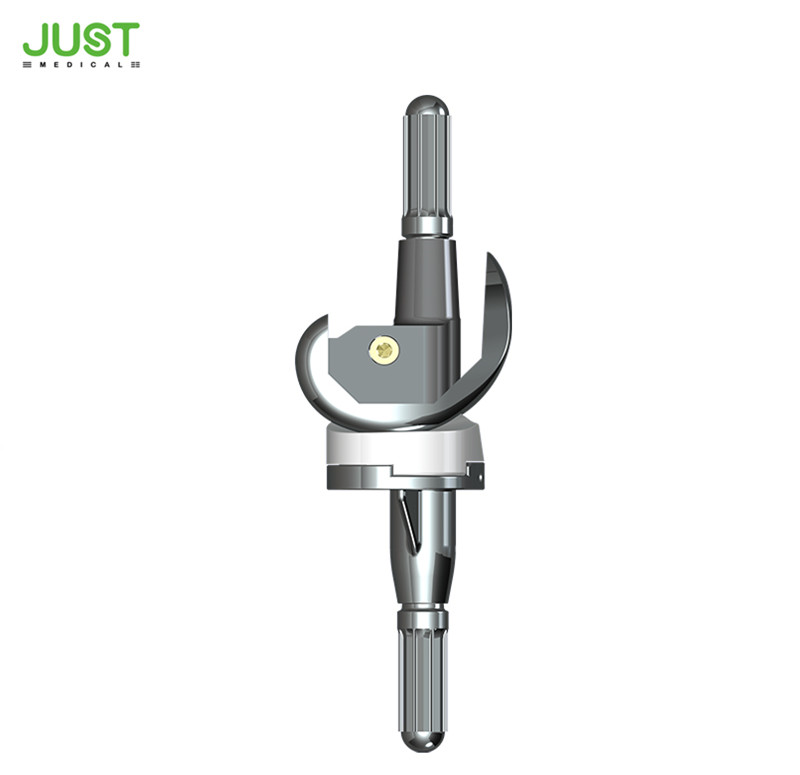
High Flexion Hybrid Total Knee System

2. Mountain climbing and climbing

When the elderly climbed the mountain, the joint weight was four or five times that of the normal. At first, the elderly could bear it, but the more they walked up the mountain, the more the joints hurt. Generally, they can’t walk until halfway up the mountain. It is more difficult to go down the mountain. Uphill is mainly muscle strength and effort. When going down the mountain, it is mainly contracted by the quadriceps muscle, pulling the knee bone to move along the femur, and the knee joint is more seriously worn.

People also have this feeling, downhill or down the stairs for a long time, legs tend to shake, this is the joint protest. So for the elderly, can take the elevator to take the elevator, must take the stairs, must pay attention to the stairs to support the railing or the wall, and do not step on the stairs, to wait for the feet all in a step on the next step.

3. Wipe the ground on your knees

Kneeling and wiping the floor, the pressure of the patella will be pressed against the femur, which is equal to the cartilage between the two bones directly pressed to the ground. For a long time, some knees cannot be straightened and can’t stand up.

The above information is provided hip joint replacement manufacturer.

Brief Introduction of Hip Replacement 5

Since 2003, many companies have completed IDE procedures, and their ceramic-to-ceramic hip joints have been approved by the US FDA, but the technology still belongs to the third type of implant. Over the past decade, the application of ceramics to ceramic hip replacements has been quite frequent. Reading the literature, we can find that the characteristics of alumina ceramics with low wear and no osteolysis have not changed. With further refinement in the engineering technology of metal and ceramic prostheses, the trend toward the design of fourth-generation alumina-based composite materials has begun to increase the use of large-diameter femoral heads, which is Diameter femoral heads compete. The advantages of ceramic large-diameter femoral heads are obvious. It can increase the stability of the prosthesis while reducing the risk of fracture of the prosthesis because the larger ball head is less likely to fracture.

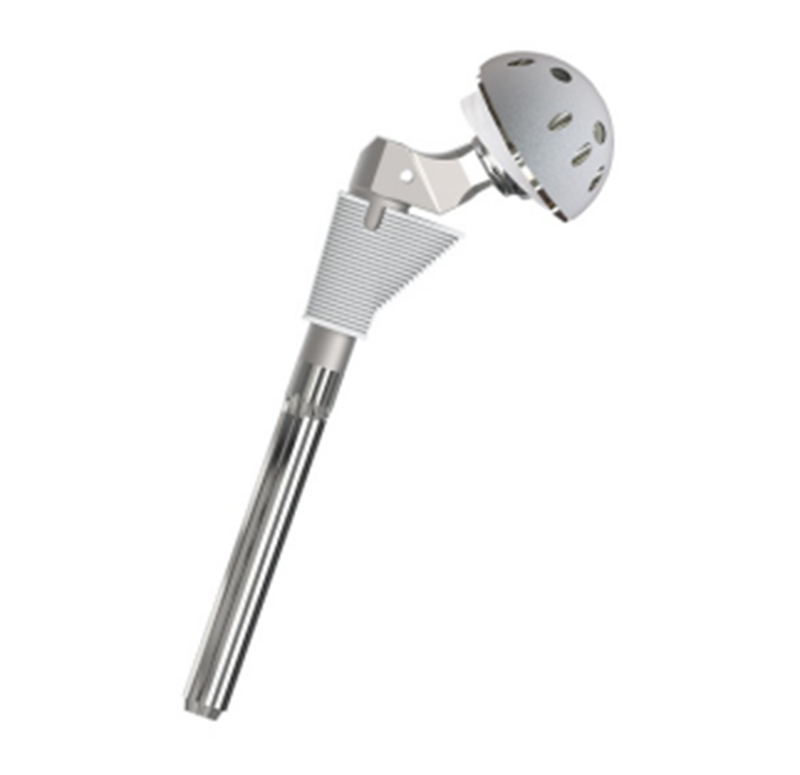
Hip Replacement

In the past ten years, the abnormal noise during the use of ceramic load-bearing surface has been widely criticized. In the initial stage of use, almost no such problems have occurred. Then there were quite a few case reports. Subsequent research did not find the real source of abnormal noise, but it is generally believed that the production of this sound is a “system” problem, and the incidence is quite high in a specific prosthetic system. Although the incidence of abnormal noise in systems using fourth-generation materials may decrease, it is still a risk factor.

When writing this brief history, readers will agree from reading the following literature that ceramic materials and prosthesis designs are steadily improving. Since the particles produced by ceramics hardly cause wear and tissue reactions, their clinical results are excellent. With the advent of a cup of multi-lined acetabular cups, and the fourth generation of ceramic materials eventually used on the femoral and acetabular sides, ceramic-to-ceramic total hip replacement is still a very attractive option for young active patients.

The above information is provided by the hip joint system prosthesis supplier.

Brief Introduction of Hip Replacement 4

With the application of assembled acetabular and third-generation ceramic materials, ceramic-to-ceramic prostheses can solve the problems of loosening and osteolysis caused by wear particles. Although the use of these prostheses has already begun in Europe, the application of the new design in the United States is not so easy. Because similar prostheses have never been used in the United States before, they cannot be introduced into the market through conventional mechanisms (such as 510k procedures). The FDA believes that this type of prosthesis is “incomparable” with existing systems on the market, so it requires a complex evaluation procedure, which is “investigative device exemption (IDE)”. This process is complicated and expensive, and it requires recruiting volunteers to participate in a prospective randomized study. These studies are very important. They established the success and reliability of ceramic-to-ceramic total hip arthroplasty, and set new standards for monitoring data collection and patient follow-up 10 years after marketing, as required by the Food and Drug Administration (FDA). Several interim results in these different IDEs have been published. No one can predict that it will take nearly seven years from implanting the first ceramic-to-ceramic joint to FDA approval during this process. In fact, Ostonics’ IDE started in 1996 (later acquired by Stryker), but in 2003 it was finally approved by the FDA. In the late 1990s, the demand for polyethylene surgery on ceramic heads increased rapidly. Desmarque, which holds the largest market share of ceramic prostheses in the United States and an important share of the world market, changed the sintering process of its zirconia ball heads from standard or ” The batch-type oven is converted into a tunnel oven, which refers to a conveyor belt carrying untreated zirconia femoral heads passing through the oven in a specific time. This increased the production of zirconia prostheses, but the fragmentation rate of these prostheses suddenly increased significantly after implantation. Compared with batch oven technology, the obvious mistakes of tunnel oven technology have impacted the entire industry. The disaster also led the FDA to request increased surveillance and record all aspects of the production process. The audit and verification process that ultimately ensures the quality of the ceramic components takes several years.

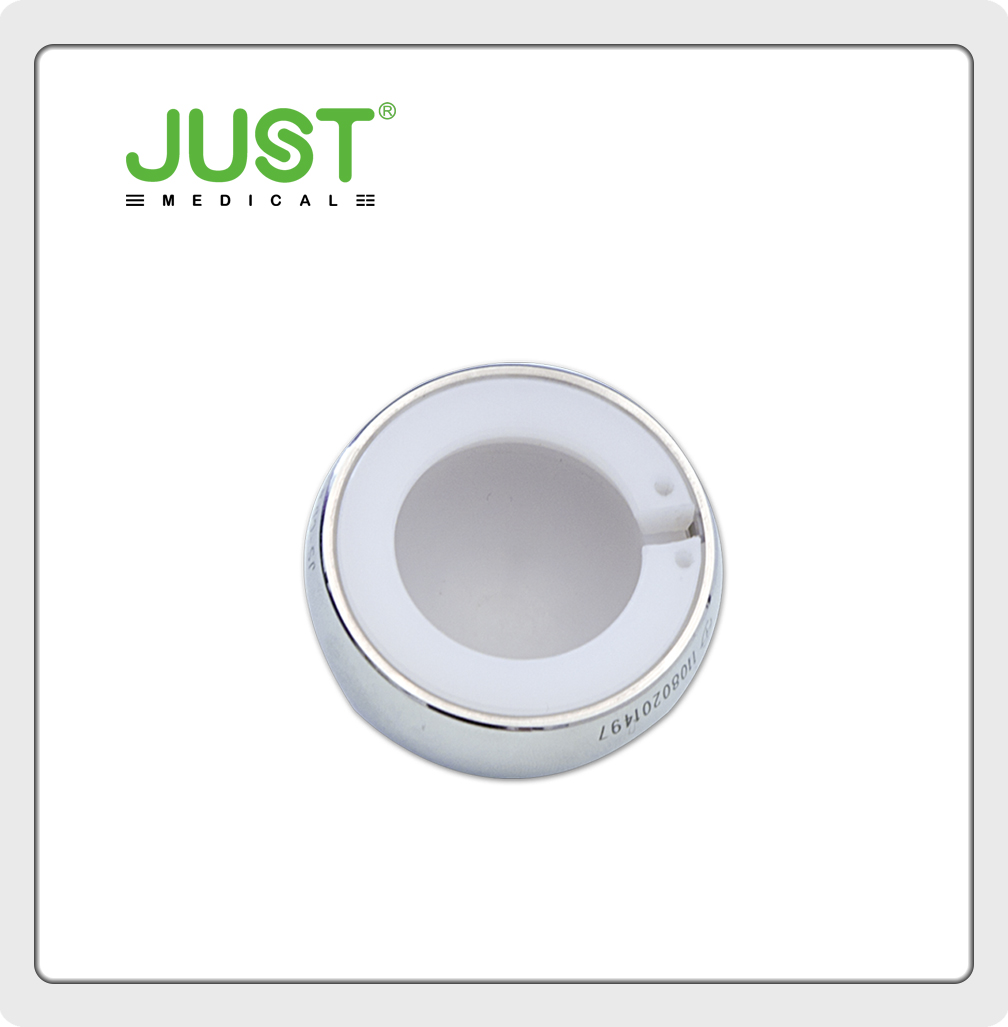
Ceramic Head Prosthesis

Fragmentation has always been a weak link in ceramic hip replacement. Fragmentation of ceramics is a catastrophic failure and requires immediate repairs, sometimes bringing legal disputes to doctors and manufacturers. Therefore, when this promising technology is safely provided to patients, reducing fragmentation becomes a top priority. A series of improvements revolve around how to ensure that ceramic parts and matching metal parts have very precise manufacturing tolerances. Another important improvement is the research and development of fourth-generation ceramic materials. A certain amount of zirconia, chromium and strontium is added to the alumina matrix to develop an alumina-based composite material. This is a significant advancement because its fracture toughness is nearly double that of the third-generation materials developed ten years ago.

The above information is provided by bone preservation stem prosthesis supplier.

How Patient’s Own Factors Affect the Survival Time of Joint Replacement Prosthesis

At present, there are more and more patients with joint replacement (total knee surface replacement, unicondylar replacement, hinged knee replacement, total hip replacement), and the survival time of joint replacement includes patient factors, doctor factors and prosthetic factors. Joint prosthesis manufacturer shares with you.

In 2019, Boyer Bertrand and other scholars published a report in Orthopaedics & Traumatology: Surgery & Research. They analyzed 63619 joint replacements, including 30733 total hip replacements, 28583 total knee surface replacements, 3754 unicondylar replacements, and 649 hinge knee replacements, with an average follow-up of 5 years. The patient factors included age, gender, body mass index (BMI), diabetes, and body weight. What are their meaningful discoveries?

1. Factors affecting the survival time of total hip replacement prosthesis (with revision as the end point)

(1) Factors affecting overall renovation: age, gender, diabetes, weight

(2) Factors affecting the revision of infectious loosening: age, diabetes,

(3) Factors affecting the revision of aseptic loosening: age, gender, diabetes, weight

Joint Prosthesis

2. Factors affecting the survival time of total knee surface replacement prosthesis (with revision as the end point)

(1) Factors affecting overall renovation: age

(2) Factors affecting the revision of infectious loosening: age and gender, but attention should be paid to the potential impact of diabetes (P = 0.0682)

(3) Factors affecting the repair of aseptic looseness: age

3. Factors affecting the survival time of knee unicondylar replacement prosthesis (with revision as the end point)

(1) Factors affecting overall renovation: gender

(2) Factors affecting infectious loosening leading to revision: age, gender

(3) Factors affecting the repair of aseptic looseness: age, gender

4. Factors affecting the survival time of hinged knee replacement prosthesis (with revision as the end point)

(1) Factors affecting the overall renovation: none have any impact, but attention should be paid to the potential impact of gender (P = 0.0593)

(2) Factors affecting the repair of aseptic looseness: age, gender

To sum up

Gender, age and diabetes affect the survival time of lower limb joint replacement prosthesis, while BMI has no effect, but bodyweight affects the survival time of total hip replacement prosthesis. Therefore, we should explain to the patients before the operation; in addition, when we do the survival study of joint replacement prosthesis, we need to describe the gender, age, and diabetes status in detail to avoid the incomparability of the patient base.

“Prosthesis Matching” for Limb Length Balance in total Hip Replacement

Whether the limbs are the same length after surgery is a question that people pay more attention to after hip replacement.

Everyone already has a more perceptual understanding of the joint prosthesis from various channels, but the word “modular” should not be known by many friends.

The development of prosthesis assembly is mainly reflected in the femoral stem. In the 1970s and 1980s, the one-piece femoral stem was mostly used, and there was no link to disassemble, which meant that the angle and length could not be fine-tuned.

Later, the femoral stalk with head and neck connection emerged, which is also the most widely used design today. Some people call it a single assembly design. Its main advantage is to adjust the length of the limbs by controlling the depth at which the femoral stalk neck is inserted into the ball head. So sometimes it looks like the neck of the prosthesis on both sides is not the same length.

Joint Prosthesis

In some cases where the deformity is heavy or there is abnormal development, this single-assembly design cannot reconstruct the hip joint well.

Therefore, the dual-assembly design came into being. In addition to being adjustable at the head-neck junction, it can also be adjusted at the neck-body junction, but studies have shown that the clinical effect of this design is not significantly better than the single-assembly design, and The ability to deal with complex deformities is limited, so it is not widely used.

At present, we are accustomed to referring to the femoral stem with only the head and neck as an integrated femoral stem.

The special prosthesis mentioned in the explanation of the patient’s condition is the current assembly prosthesis. Its assembly structure enriches the adjustment of the prosthesis in terms of limb length, angle and muscle tension. Applied to hip joint diseases with complex deformity, abnormal bone torsion, and high dislocation of the femoral head.

On the side of the acetabular cup, the principle of placement is to make as much contact with the bone as possible. In most cases, it will be placed in the same nest as the femoral head.

When the socket is relatively shallow and cannot cover the acetabular cup, especially the dysplastic acetabulum, we will choose to move the acetabular cup up. So the two sides are asymmetric at first glance, giving the impression that the limbs are not equal in length.

But is this really the case? Obviously not, the prosthesis’s compatibility is to compensate each other and cancel each other out. It’s shorter here, and it will be done if there is some growth there.

The above information is provided by joint prosthesis manufacturer.

Causes and Risk Factors of Hip Fractures in the Elderly

Elderly people are at high risk of falling and may cause hip fractures. They fell because they lost their coordination. Hip joint system prosthesis supplier shares with you.

There are many risk factors for hip fractures, including:

Osteoporosis: This disease causes the bones to weaken, making them more likely to fracture. In the United States, an estimated 10 million people already have osteoporosis, 80% of whom are women. In this population, hip fractures may occur during simple weight-bearing activities.

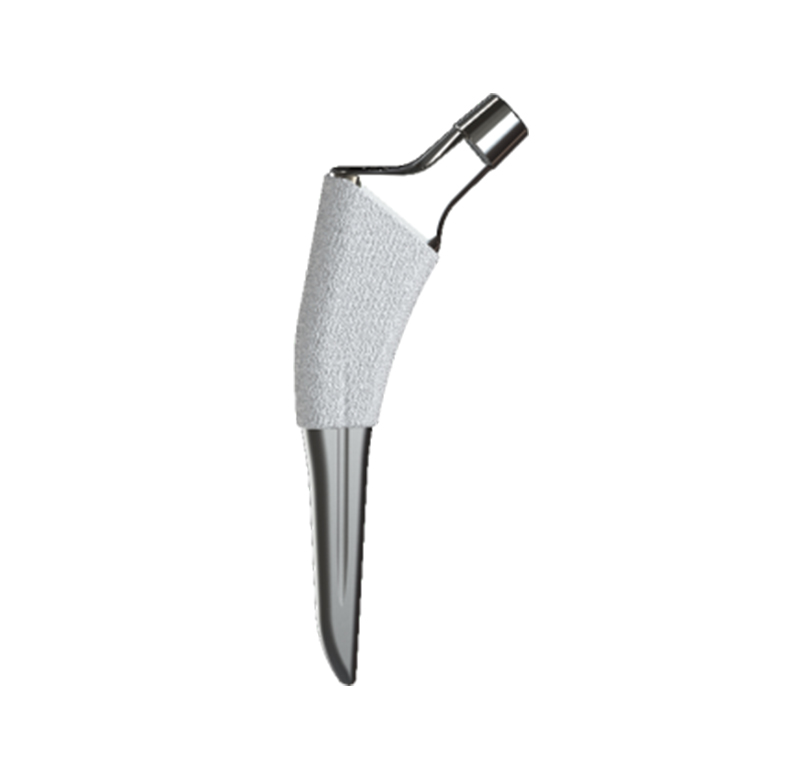
Double Tapered Stem Prosthesis

Gender: As estrogen levels decrease after menopause begins, women are more likely to lose bone density than men.

Heredity: People with thin bones; Caucasians and Asians have an increased risk of osteoporosis.

Nutrition: Malnutrition in childhood increases the risk of hip fracture. Eating disorders such as anorexia nervosa and bulimia can damage bones.

Smoking and drinking: Smoking and drinking too much can cause bone loss.

Drug therapy: Taking four or more drugs at a time or taking any psychoactive drugs is a risk factor for falls.

Home environment: Throwing carpets and wires at random is a danger of tripping, as is the lack of stair railings and handrails, as well as unstable furniture and poor lighting.

Medical diseases: The following diseases may increase the risk of hip fracture through bone loss or an increased risk of falls: endocrine disorders, such as type 1 diabetes; gastrointestinal diseases; rheumatoid diseases; prolonged bed rest or mobility impairment; neurological diseases, For example, Parkinson’s disease or multiple sclerosis; dementia; and depression.

Our company provides double tapered stem prosthesis.