How to Prevent Contralateral Hinge Fracture during HTO Operation?

Contralateral hinge fractures are likely to occur during and after osteotomy around the knee joint (especially for medial open wedge osteotomy).

The contralateral hinge fracture can reduce the axial stiffness of this area of the tibia by 58% and torsional stiffness by 68%. At the same time, the micromotion of the osteotomy site increases, which may cause displacement, instability of the osteotomy area, and recurrent varus. Malformation makes it impossible to correct.

How to prevent contralateral hinge fractures has become a hot issue. The following research points are worthy of attention.
How to Prevent Contralateral Hinge Fracture during HTO Operation?cid=4

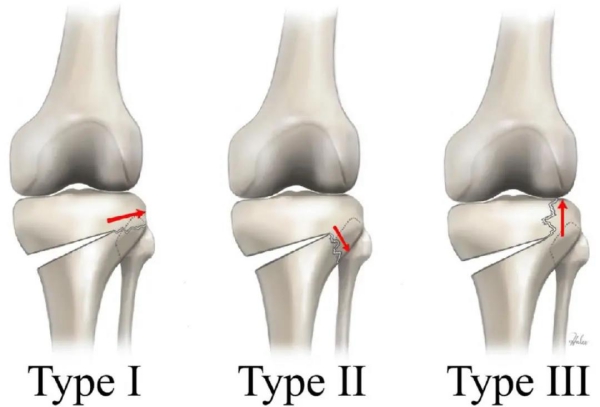
Nakamura et al. found that there was no significant difference in the height of distraction between type I fractures and type II and III fractures, indicating that the severity of the fracture was not proportional to the height.

Research on osteotomy positions found:

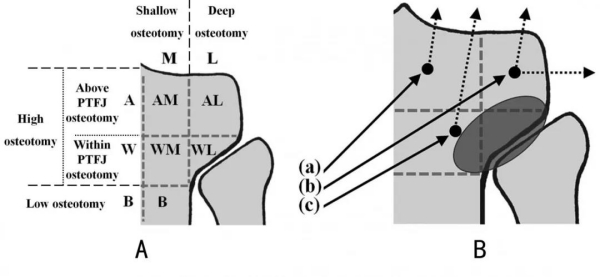
Osteotomy height: Osteotomy in zone B (The figure below) may have the risk of type II fractures. Therefore, the high osteotomy is safer than low osteotomy;
How to Prevent Contralateral Hinge Fracture during HTO Operation?cid=4

Osteotomy depth: the incidence of type III fractures in the M area is significantly higher than that of the L area type III fractures;

Therefore, osteotomy in the structurally stable WL area will avoid fracture to a certain extent (relative risk is 0.24, confidence interval 0.17 ~ 0.34);

The dense and firm soft tissue near the proximal tibiofibular joint (PTFJ) is one of the reasons for the relative stability of this area.
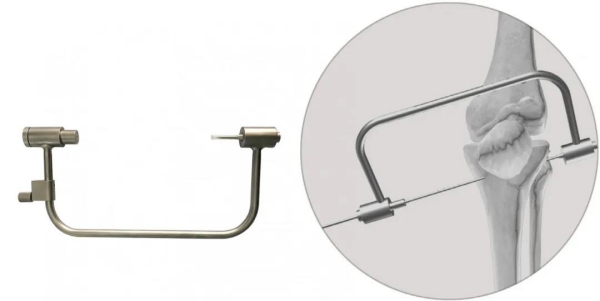
How to Prevent Contralateral Hinge Fracture during HTO Operation?cid=4

-Adequacy of osteotomy-

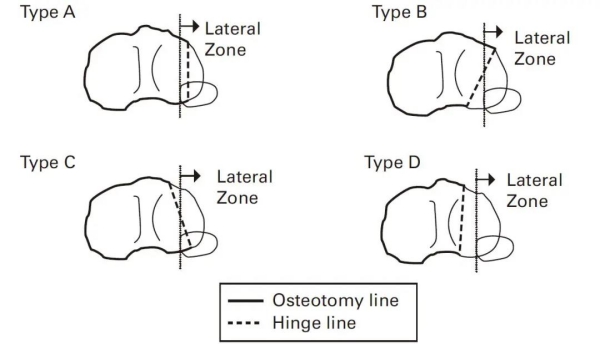
Studies have shown that the incidence of lateral hinge fractures has a significant statistical correlation with inadequate osteotomy:

All type III lateral hinge fractures occurred under osteotomy (type C, n = 3);

Type I lateral hinge fractures occur when osteotomy is adequate (type A, n = 7) and inadequate (type B, n = 3; type C, n = 1).

Therefore, sufficient anterior and posterior osteotomy can be performed (The image below shows A type osteotomy), or the incidence of type III fractures can be reduced.
How to Prevent Contralateral Hinge Fracture during HTO Operation?cid=4

-Distraction height of osteotomy-

Seo et al. reported that a medial expansion distance greater than 11mm is a significant risk factor for lateral hinge fractures (OR = 4.98). The risk of lateral hinge fracture after MOWHTO with a larger osteotomy gap is as high as 35%.

Therefore, when the size of the medial distraction increases, more attention should be paid to the lateral cortex. Slowly and cautiously increasing the osteotomy gap can help avoid lateral hinge fractures.

-The choice of cortical screws-

While the force exerted by the cortical screw on the bone affects the shape of the plate, it can pressurize the side hinge, eliminate any potential distraction or instability in the area, and reduce the incidence of type I fractures.

The above information is provided by knee joint preservation manufacturer.
Do Not Miss the “Renovating Artifacts” of Hip Joint

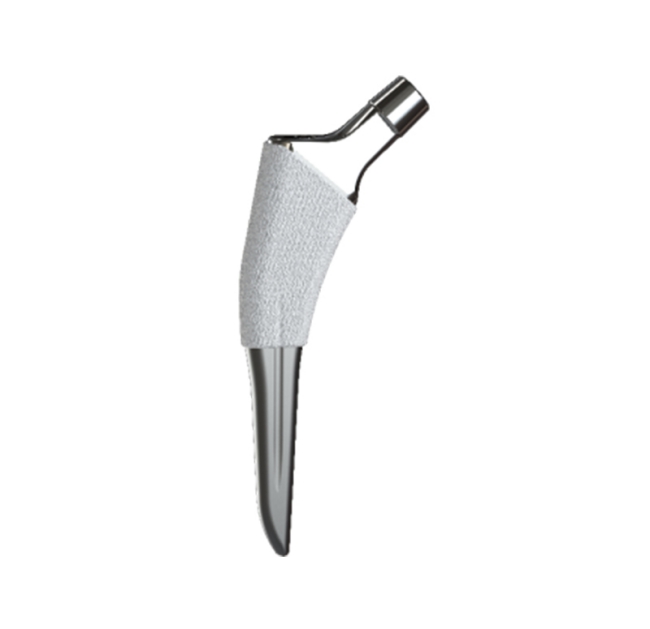
At present, with the increasing number of primary hip replacements, the number of hip revision surgeries is also increasing. In the face of this situation, it is extremely important to choose a prosthesis that can really solve the problem of hip revision.

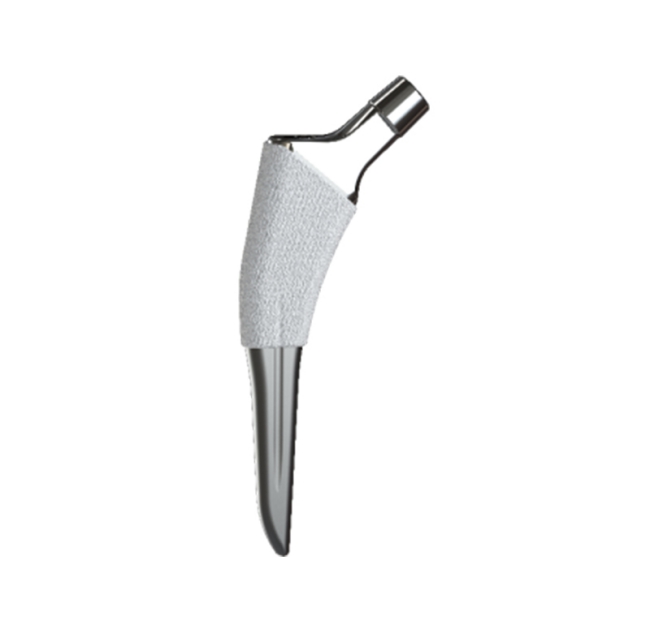
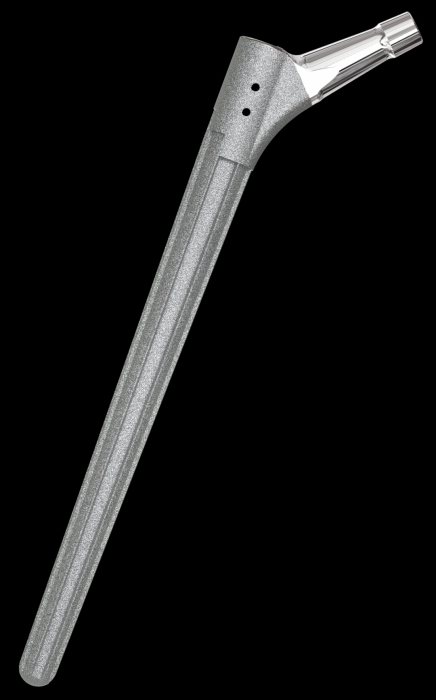
For hip revision surgery, Just strongly recommends this RSL revision femoral stem, which is a “renovating artifacts” that can truly meet clinical needs!

Product design features

2° taper design

RSL revision femoral stem adopts a 2° tapered stem design. In terms of long-term stability, conical stalks are more effective than cylindrical stalks at the proximal end of the femur stalk for osseointegration, which reduces the likelihood of femur stalk loosening and postoperative thigh pain. Robert d. Russell mentioned in his paper The Journal of Arthroplasty that a 2° conical handle has better initial fixation stability than a cylindrical one when there is only 3cm complete bone loss at the femoral isthmus.

Hip Replacement

8 longitudinal ridge design

8 sharp longitudinal ridges can be anchored in the cortical bone close to 0.1-0.5 mm to provide stable anti-rotation stability; there is a space between each ridge, which is conducive to the regeneration of blood vessels in the cancellous bone and accelerates the reconstruction of the medullary cavity; For the same outer diameter, the 8 ridge design can reduce the thickness of the handle body, thereby reducing the rigidity and avoiding the looseness and thigh pain caused by stress shielding; the 8 ridge design can increase the contact area with the bone surface (similar to a tapered thread Connection), which is conducive to the stability of the handle body and the effect of osseointegration.

Integrated rough surface

The integrated design avoids the risk of fracture at the joints of the prosthesis. The voids on the rough surface provide space for bone length, and the formed microstructure will affect the mechanical transmission effect, form a discontinuous load transfer effect, and promote osseointegration.

Circular cross-section design

The RSL stem is conical as a whole, so its cross-section is round, and the anterior angle can be adjusted during the operation to facilitate the doctor’s operation and restore the patient’s physiological force line; the conical stem has no edges, which reduces the stress on the edges around the stem The risk of intraoperative or postoperative bone splitting caused by concentration.

Why Choose DAA?

Faced with various surgical methods of total hip replacement, why choose DAA? Today, hip prosthesis manufacturers will introduce to you the application of DAA through clinical effects and prosthesis selection.

A basic principle of orthopedic surgery is to tend to operate through the spaces between muscles and nerves to minimize soft tissue damage. Although all total hip replacement surgery methods have achieved excellent results, DAA is the only surgical method that uses muscle and nerve gaps.

1. Soft tissue injury

Studies have shown that the DAA surgical method protects the abductors and external rotators better than the posterolateral approach and the anterolateral approach.

2. Postoperative rehabilitation

In terms of postoperative recovery, DAA THA may have advantages. A number of studies have shown that DAA has less pain, restores hip joint function earlier, returns to normal gait faster, and shortens the hospital stay. In the later period, Harris scores are higher, and the range of activities is better.

THA Surgical Instrument

Prosthesis selection for DAA

1. Short stem prosthesis

Short-stem prosthesis can solve the problem of femoral exposure and prosthesis implantation in the DAA surgical method. The short tapered stem is a metaphyseal-stabilized prosthesis with a wedge-shaped coronal surface, which can obtain good stability when combined with the greater trochanter of the femoral shaft and can also adjust the angle flexibly during implantation. It provides a good choice of the prosthesis for the DAA surgical method.

2. Special tools

A worker must first sharpen his tools if he wants to do his job well. The DAA THA surgeon must have the basic tools for the operation before performing the operation, such as a curved retractor, a retractor with an eccentric distance, etc. Our company provides professional THA surgical instruments to lay the foundation for doctors to carry out a perfect DAA THA operation.

Is the Cemented Femoral Stem Really “Obsolete”?

In 1958, Professor John Charnley used acrylic bone cement to fix an artificial hip joint for the first time. It was the first low-wear hip joint prosthesis in human history. It evenly transmits force to the bone and is 200 times stronger than previous screw fixation. Therefore, it is called the “gold standard” of hip replacement, and since then opened the curtain of bone cement artificial hip joints.

With the emergence of new technologies and new materials, non-cemented femoral stems have gradually occupied the clinical mainstream, but are cemented femoral stems really “obsolete”? Today, the hip prosthesis manufacturer will review the classic design of cemented femoral stems with you.

Hip Joint Prosthesis

Mainstream design

①Is there a neck collar: theoretically, the neck collar can reduce the annular stress of the cement sheath to prevent sinking. Due to the emergence of the “finite sink theory” and the fact that the bone cement under the neck collar is fragile and fails, there is no neck collar Become the mainstream.

②Shape selection: “Straight handle” is easier to form a complete bone cement cover; “bent handle” is generally not used.

③Optimal handle length: 120-145mm. The mathematical model calculates that the short shank increases the proximal stress, and the excessively long shank not only increases the stress of the shank itself but also easily causes the stress shielding of the proximal femur, leading to the fracture of the bone water jacket.

④Cross section: (1) Smooth around the handle body, avoid sharp corners to prevent bone cement fracture due to stress concentration. (2) The trapezoidal cross-section is the optimal design, wide on the outside and narrow on the inside. This cross-section has the largest ratio of the maximum compressive stress on the inside of the femoral stem to the maximum tensile stress on the outside, which reduces the tensile stress on the bone cement and is the safest to use.

⑤Surface treatment: super-mirror polished surface treatment to ensure the smooth surface of the femoral stem and better realize the “limited sink”.

Cemented femoral stems have great advantages over non-cemented femoral stems in elderly female patients with hip joint disorders and more severe osteoporotic patients undergoing total hip replacement surgery. Therefore, cemented femoral stems are not “out of date”. It provides clinicians with more choices in the treatment of different diseases.

Do You Really Understand the Non-Cemented Shaft of the Femur?

From the perspective of the femoral stem prosthesis itself, there are many factors that influence the fixation effect of the cementless femoral stem prosthesis, including early mechanical fixation and long-term biological fixation. Let us understand one by one!

1. Early mechanical fixation

Tapered stem: suitable for most of the patients with the first replacement, for Dorr Type B medullary cavity with good fit, suitable for part of Dorr Type A medullary cavity.

Rectangular stem: suitable for Dorr B type medullary cavity.

Modular stem: suitable for Dorr Type A medullary cavity and DDH patients with Dorr Type C medullary cavity who need to adjust femoral anteroposterior inclination.

The good match between the non-cemented femoral stem and the medullary cavity is a prerequisite for early mechanical fixation of the prosthesis.

Femoral Stem Prosthesis

2. Long-term biological fixation

The surface treatment of the prosthesis determines its long-term biological fixation. The pore size, porosity, and roughness of the surface porous structure all affect the ability of the prosthesis to integrate.

Pore size

Clinical studies have shown that: pore size> 300 microns is conducive to the formation of new bone and vascularization.

Porosity

The porosity of human cancellous bone is 50%-90%, and the porosity in this interval is considered to be the most conducive to bone growth. The research on the bone ingrowth ability of different porosity prostheses found that the higher the porosity, the more obvious the effect of bone ingrowth.

Roughness

Roughness affects the “grasping” ability of the prosthesis and the host bone. High roughness and high friction coefficient provide the basis for osseointegration of the prosthesis and realize long-term biological fixation.

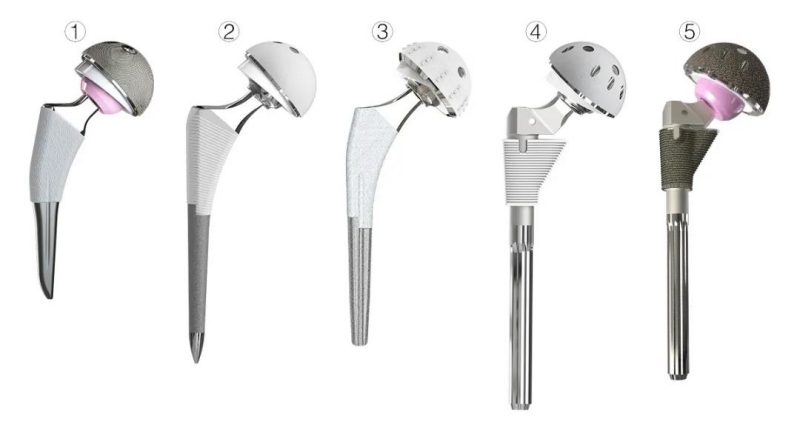
Just provide different designs of cementless femoral stems to meet the requirements of different medullary cavity shapes and achieve long-term biological fixation.

①MINI minimally invasive biological femoral stem

②HARMONY tapered non-cemented femoral stem

③DELTA rectangular non-cemented femoral stem

④ASM modular non-cemented femoral stem

⑤3D SEE trabecular bone modular type femoral stem

The Secret of Making Knee Prosthesis “Long Standby”

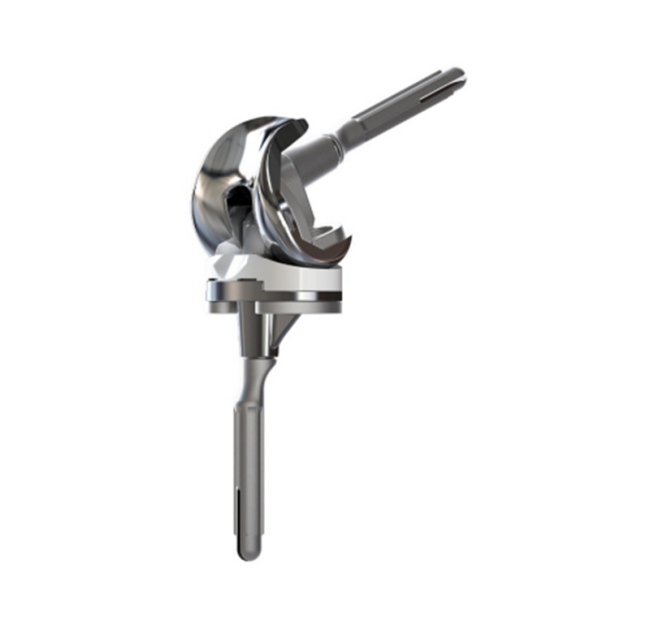
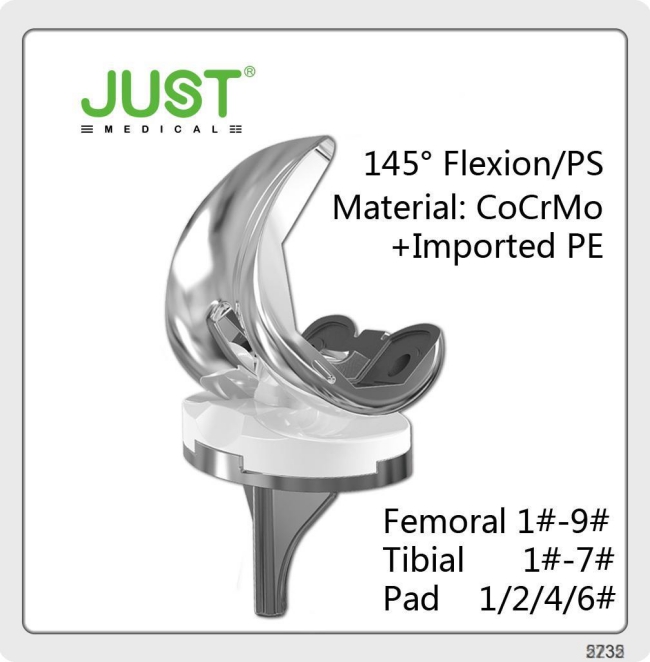
At present, the 10–15-year survival rate of artificial knee joint prosthesis can reach 85%-90%, which is closely related to surgical technology and prosthesis design. After years of development, artificial knee replacement has been quite mature in surgical technology, but it has been further improved. The life of artificial knee joints still needs to be solved at present and reducing the wear of the prosthesis after knee joint operation is one of the keys to improving the lives of the prosthesis.

Wear is one of the main reasons leading to aseptic loosening of knee prosthesis. Reducing the surface roughness of the femoral condyle and tibial plateau is an important way to solve the wear after knee replacement. It is especially important to choose high-quality prosthetic surface treatment technology.

Therefore, today, the joint prosthesis supplier will talk to you about the super-mirror polishing technology of the artificial knee joint prosthesis selected by Just.

Knee Joint Prosthesis

Super mirror polishing technology has the following advantages:

① Deburring: The remaining burrs and chips in the manufacturing process on the edges and surfaces will damage the quality of the prosthesis. By choosing the right abrasive and the right process, these flaws can be removed, so as to achieve smooth downstream finishing and further optimization.

② Blunt: The edge is usually produced with an r angle to improve the reliability of the tool. There is no burr on the edge of the blade after blunt grinding, and there is no burr produced by the secondary treatment, so it is not easy to cause wear and tear of the prosthesis.

③ Smoothing treatment: Through the smoothing treatment, the roughness of the surface is reduced, that is, the unevenness of the convex position on the surface is eliminated. The benefits of this include reduced friction improved contact ratio and reduced wear.

④ Polishing: In addition to improving the appearance of the surface of the workpiece, polishing also improves the physical properties of the surface. The absolutely smooth and scratch-free surface can extend the life of the implant.

Did You Know That Bacterial Infections Can Also Cause Arthritis

Arthritis is a very common orthopedic disease for us. It is generally due to aging or excessive joint movement that causes severe wear and tear of joints and tissues. In this case, it is generally a chronic disease, and it can be slowly recuperated through conservative treatment. However, there is a relatively special type of arthritis, septic arthritis, which has a rapid onset, which can directly damage the joint function and seriously damage the human body. It urgently needs everyone’s attention and attention, but many people are just blind spots for the existence of this disease. Our company provides joint prosthesis materials.

Overview

Septic arthritis is a kind of arthritis that is directly infected by purulent bacteria and causes joint destruction and loss of function. It is also called bacterial arthritis or septic arthritis. The common pathogen is Staphylococcus aureus, the blood-borne transmission is the most common route of infection, and a few are direct infections

Clinical manifestations

Most patients with this disease have monoarthritis, the knee joints are mostly involved in adults, the hip joints are mostly involved in children, and the ankles, elbows, wrists, and shoulder joints are the next. Acute suppurative osteomyelitis, rheumatoid arthritis, and tuberculosis are often needed. There is a difference between arthritis and rheumatoid arthritis. Patients often have symptoms of poisoning and rapid onset, chills, and fever throughout the body, and related reactions in multiple parts, such as cold, fever, fatigue, etc.; joints often have redness, fever, and strong pain.

Joint Prosthesis Materials

Treatment principles

Patients who have passed the drug sensitivity test in the early stage will be treated with a large number of antibiotics, in addition to nutritional supplements, fluids and blood transfusions throughout the body; local immobilization and fixation; intra-articular antibiotic therapy; joint incision and drainage surgery; late joint function recovery therapy and joint function deformity correction surgery.

treatment method

The general treatment is to perform fluid and blood transfusion, correct water and electrolyte disorders, and help patients adjust a reasonable diet; use skin traction or plaster pallets to fix the affected limb in the functional position, mainly to relieve the patient’s muscle spasm and relieve pain; physiotherapy, Including ultrasound therapy, etc.; joint drainage, including joint puncture and drainage, arthrotomy and drainage, and arthroscopic lavage. In addition, there are medications (mainly including antibiotics), surgical treatments, and other methods.

The basic understanding of septic arthritis can be carried out through the above aspects. I hope that every reader can pay attention and remain vigilant after understanding. When there are symptoms of discomfort, go to the hospital for examination and treatment as soon as possible to avoid the loss of joint function. This is also an important way to improve the cure rate of the disease. I hope everyone can maintain a healthy body.

The above information is provided by the joint prosthesis supplier.

What Is a Femoral Neck Fracture and Why Is It Easy to Fracture?

According to statistics, femoral neck fractures account for 3.58% of the total number of fractures. It often occurs in the elderly. With the extension of life span, its incidence is increasing and has become a serious social problem. Now the joint prosthesis supplier is with us to get to know it.

What is a femoral neck fracture?

A femoral neck fracture refers to the fracture from below the femoral head to the base of the femoral neck. The blood supply of the fracture site is special, and it is prone to delayed union or nonunion of the fracture, and it is also easy to cause femoral head necrosis. A femoral neck fracture is the most common injury of the hip, and the incidence of systemic fractures is second only to fractures of the distal radius. In clinical practice, according to the position of the fracture line, it is divided into subcephalic, transcervical and basal types.

Why is the femoral neck easy to fracture?

1. External factors (35%):

Due to the degeneration of the hip muscles in the elderly, the reaction is slow and cannot effectively offset the harmful stress of the hip. In addition, the hip is subject to greater stress (2-6 times the body weight), and the local stress is complex and changeable, so there is no need for much violence. Such as slipping on the ground, falling from the bed, or sudden twisting of the lower limbs, fractures can occur even without obvious trauma.

2. Osteoporosis (20%):

Due to the degeneration of the hip muscles in the elderly, the reaction is slow and cannot effectively offset the harmful stress of the hip. In addition, the hip is subject to greater stress (2-6 times the body weight), and the local stress is complex and changeable, so there is no need for much violence. Such as slipping on the ground, falling from the bed, or sudden twisting of the lower limbs, fractures can occur even without obvious trauma.

3. Accidents (35%):

Femoral neck fractures in young adults often result from serious injuries such as car accidents or falls from heights.

Joint Prosthesis

People who are prone to fractures

A femoral neck fracture is a common clinical disease and frequently-occurring disease, which can be seen in all age groups, with the highest incidence in middle-aged and elderly patients.

Complications after fracture

1. Nonunion of femoral neck fracture

Nonunion of femoral neck fractures is relatively common. The nonunion rate of 7% to 15% is reported in the literature, and the incidence is the highest in limb fractures.

2. Avascular necrosis of the femoral head

Avascular necrosis of the femoral head is a common complication of femoral neck fractures. With the progress of treatment in recent years, the fracture healing rate can reach more than 90%. However, the rate of avascular necrosis of the femoral head has not significantly decreased so far.

Our company provides joint prostheses.

The Joint Is under Heavy Pressure for a Long Time, and the Knee Will Be Damaged 1

The knee joint consists of the femur, tibia, and patella, with the femur above, the tibia below, and the patella on the surface. The patella is connected to the quadriceps muscle and the lower to the front of the tibia. The flexion and extension of the knee joint are controlled by the contraction and relaxation of the muscles.

The joints where these three bones are in contact with each other are covered with a layer of fragile cartilage, which is most afraid of being under stress for a long time. When the knee joint is in the flexed state, the pressure between the patella and the femur increases significantly, and the posterior condyle of the femur is directly stuck on the tibia, which also causes the pressure between the femur and the tibia to increase.

If the knee joint is under pressure for a long time, the anti-wear ability of the cartilage will decrease, and cartilage degradation and even exfoliation will occur, thereby causing osteoarthritis. Our company provides knee joint implants.

The weight-bearing of people’s knees in different postures is a different multiple of their own weight. It can be seen that the weight-bearing and kneeling movements are the enemies of the knee joint. To prevent knee pain, you must first lift the body weight and avoid large knee flexion.

Faced with such a complicated and incapable knee, in daily life, we need to take good care!

Knee Joint Implant

Firstly, get up

When sleeping at night, because the body lies flat for a long time, the blood circulation is slow, the venous return is poor, and the inflamed inner folds will become more swollen. When you get up in the middle of the night or in the morning, you will feel the knee Kaka, unable to act immediately, Many patients also experience painful waking in the middle of the night, their knees dare not move, and they do not even know how to place them.

At this time, remember not to rush out of bed, lie down or sit on the side of the bed, do the leg lift, and rub your knees with your hands, especially the inner side of the knee, for about three to five minutes to allow local blood circulation After getting better, get out of bed and you will be free.

Hooking the legs and raising the legs can effectively enhance the strength of the quadriceps muscles, enhance the stability of the knee joints, improve local blood flow and metabolism, thereby alleviating pain, improving function, and promoting rehabilitation.

Second, go to the toilet

After getting up, everyone’s first action is to go to the toilet. This is also the action that everyone must repeat several times every day. It is recommended that you do not install a squat toilet at home, use a sitting toilet instead, and try to use a sitting toilet when you go out.

Regardless of squatting or sitting, the most important thing is to remember the word “slow” and move as slowly as possible. In addition, you can also support the wall or install handrails to avoid the medial folds being caught by the knee bones due to the rapid and sudden bending of the knee.

The above information is provided by a knee joint preservation manufacturer.
The Joint Is under Heavy Pressure for a Long Time, and the Knee Will Be Damaged 2

Three, sit

Whether you are sitting on a chair or a sofa, you must be slow. It is best to sit down slowly with your hands on the back of the chair or the edge of the table. This principle applies to all sitting down movements in a day. Our company provides a knee prosthesis.

Fourth, climb the stairs

“Climbing stairs hurts knees” is the most commonly seen or heard health warning. In fact, as long as you know how to climb, climbing stairs will not hurt your knees! When going up the stairs, the knees change from bending to straightening when the lower limbs are exerted. When going down the stairs, the knee is stretched to bend when the lower limbs are exerted, and the inner folds are more likely to be pinched. Patients with inflamed and swollen medial folds are particularly prone to pinch the medial folds when descending the stairs. The pain often makes the stairs discolored. This is the reason.

People with knee pain problems should avoid climbing stairs as much as possible. If you have to climb, it is recommended to slightly bend the knees to reduce the bending angle of the knee joints, and climb slowly step by step. Use the armrests to help in time to match the inner side of your mind. The fold rubbing scenario can avoid injury.

You can refer to the rules of climbing stairs for climbing. When climbing, keep the knee joint slightly bent, and there is less repeated straightening and bending. Increasing the step can also reduce the angle of knee bending; the same principle applies to downhill, it is better to walk sideways, in addition, don’t forget to bring trekking poles as an aid.

Knee Prosthesis

Five, take the bus

When waiting for the bus, I often see people who rush to get on and off the bus because they are in a hurry. Because of their urgency, they rush up when they see the bus, or they quickly sit down when they see a seat and arrive at the station. I hurriedly stood up again, these actions may cause the inner fold to be pinched, injured, and inflamed.

In addition, when riding in a car, in order to avoid bending your knees more than fifty degrees for a long time, it is best to choose a seat where your knees can be completely straight.

Six, drive by yourself

When getting on and off the car, remember to hold the car door and share the weight with your hand. Sit on your side first, and then carefully move your feet in/out of the car. Patients with knee pain can support the knee socket with both hands, one at a time. Slowly move the lower limbs in/out of the car.

When riding a bicycle, the seat cushion should not be too low to avoid excessive bending of the knees. Also pay attention to the rhythm of muscle force and relaxation when straightening and bending (the formula: press hard and retract easily) to reduce the inner folds from being pinched, Chance of injury.

Seven, sit in the office

“Office workers who sit at the desk for a long time do not need to do heavy work, and their knees are less likely to degenerate.” This is a misconception!

In fact, office workers sitting in the office all day or going up and down the stairs often have a high probability of developing degenerative arthritis. When sitting and working, the knee is bent at 90 degrees for a long time, and the inner folds are like the tongue being bitten by the upper and lower teeth for a long time. Of course, it will be hurt. Therefore, every half an hour, take time to get up and walk, or straighten your legs and do simple knee protection.

The above information is provided by a knee joint preservation manufacturer.